Planning your first trip to Italy? These are the most common FAQs I get asked most often by travellers. Here’s what you actually need to know to avoid common mistakes and make the most of your visit.
Planning and practical tips FAQ
Do I need a visa to visit Italy?
Most travellers from the US, Canada, Australia and the UK can visit visa-free for up to 90 days. Starting in late 2026, you’ll need to register for ETIAS. It’s a simple online authorization that costs €7 and lasts three years. Apply at least 72 hours before travel.
What is the best time to visit Italy?
After living in Italy for a few years, I always say that the best time to visit is between October and March. You’ll get authentic experiences, shorter lines at attractions and better restaurant service. Yes, some tourist sites have shorter hours in winter, but you’ll see Italy as locals do. Summer means sweltering heat, packed attractions and inflated prices.
How much money should I budget for a trip to Italy?
Budget: €60-80/day (hostels, street food, local transport)
Mid-range: €120-180/day (3-star hotels, restaurant meals, some taxis)
Luxury: €300+/day (4-5 star hotels, fine dining, private tours)
These numbers include accommodation, meals, local transport, and attractions. International flights are extra.
What are the top cities and regions to visit in Italy?
Rome, Florence and Venice are the most visited cities in Italy. Consider Bologna for its incredible food, Matera for its cave dwellings, or the Dolomites for its stunning mountain scenery. Naples is the home of authentic pizza and offers quick access to Pompeii. Sicily offers Greek ruins and fantastic seafood. Consider off-the-beaten-track destinations and less-visited regions, such as Abruzzo, Marche, Umbria, and Molise.
How do I get a SIM card or phone plan in Italy?
eSIMs are the easiest solution, as you can buy them online before travelling and activate them on arrival. At airports, look for TIM, Vodafone, or WindTre kiosks. In cities, visit phone shops for better deals on longer stays. Tourist SIM cards cost €15-25 and include several GB of data plus local calls.
Do people speak English in Italy?
In tourist areas, many people speak English, but don’t expect it everywhere, especially in smaller towns. Learn key phrases like “Scusi” (excuse me), “Grazie” (thank you), and “Dove” (where). Even basic attempts at Italian will get you better service and warmer interactions.
What is the best way to plan an Italy itinerary?
Start with your must-see list, then group destinations by region. Avoid zigzagging across the country as it wastes precious vacation time. Most first-timers underestimate the time required for train travel and try to pack in too many cities. Plan for jet lag and keep your first day light.
Is Italy safe for travellers?
Italy is generally safe, but be cautious of pickpockets in crowded and touristy areas. Watch for distraction scams near major attractions and train stations. Keep valuables close to you and stay alert on crowded public transport. Avoid unlicensed taxis and people trying to “help” with your luggage at stations.
Do I need travel insurance for Italy?
Travel insurance is always a good idea, especially if you have any pre-existing health issues that could worsen during your trip. The cost will depend on your age, trip duration, your health and the type of insurance. I recommend getting a plan that covers medical coverage and evacuation coverage.
Getting to and around Italy FAQ
What airport should I fly into for Italy?
Rome Fiumicino: Best for central/southern Italy, most international flights. Rome has better train connections to other cities.
Milan Malpensa: Better for northern Italy, the lake region and the Alps
Venice Marco Polo: Convenient but expensive, limited international options.
How do I travel around Italy?
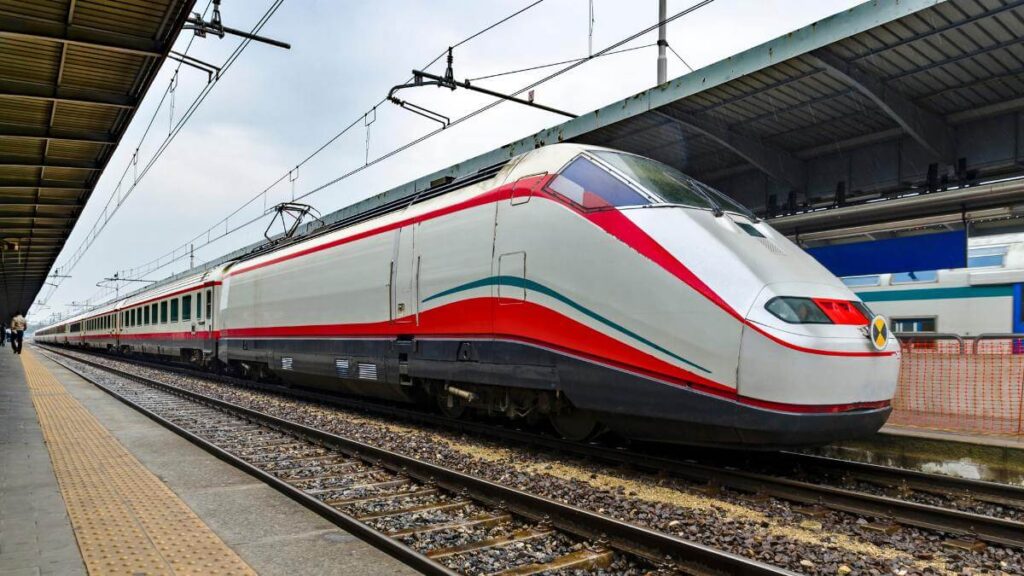
Trains win for city-to-city travel. They’re fast, frequent and drop you in city centers. Cars are ideal for road trips in the countryside or for reaching small hill towns. Domestic flights only save time if you fly to Sicily or Sardinia from mainland Italy. Driving in city centers can be nerve-racking for some, but it’s not as difficult as it might seem.
Do I need to validate my train tickets?
Only paper tickets require validation in the yellow machines located on platforms. Digital tickets with QR codes bought through apps or printed online are already validated. Regional train paper tickets must be validated before boarding, or you’ll face hefty fines. When in doubt, book your train tickets on an app like Omio or from the Frecciarossa website.
Do I need an International Driving Permit in Italy?
Yes, and police actively check for it. Get yours before travel, as you can’t get one while abroad. Fines for driving without an IDP start at €400. Get yours at the designated CAA location in Canada or AAA in the US. Don’t risk it.
How does public transportation work in Italy?
Most touristy destinations in Italy have robust public transportation, but your options get more limited in smaller towns. You can get your bus tickets at a Tabacchieria (similar to a convenience store) or on the bus, but that depends on the city. Many cities offer day passes that include transportation for multiple rides. When in doubt, ask for clarification. Strikes in Italy happen regularly but are announced in advance.
Packing and preparation FAQs
What should I pack for a trip to Italy?
Pack layers and comfortable walking shoes with a good grip on cobblestones. Bring a small day bag for sightseeing. During the summer, you’ll need a sun hat and a light scarf for church visits. In winter, bring a warm coat but not heavy boots. Skip the “just in case” items, as you can buy what you need here.
What should I wear in Italy to fit in with locals?
Italians tend to dress well, but I’ve seen plenty of them dress very casually, although not at the same level as North Americans. Dresses, jeans, nice sneakers and simple tops work everywhere. Bring something to cover your shoulders and past your knees if you plan on visiting churches. Wearing shorts or tights will not be the only thing that will give you away as a tourist, so you might as well be comfortable.
Do I need to bring cash, or will cards work everywhere?
While most places in Italy take cards, it’s always a good idea to have cash on hand. If you plan to shop at outdoor markets or want to get bus tickets, it’s better to have small change. If you’re buying something under 10 Euros, consider paying in cash, as some places may charge a small fee for card payments. ATMs are widely available and often offer better exchange rates than airport currency exchanges.
Do I need a power adapter or converter in Italy?
Italy uses Type F plugs (two round pins) and 220V electricity. You need an adapter, but not a converter, for modern electronics like phones and laptops. Buy adapters before your trip, as airport versions can cost three times as much. Universal adapters work, but dedicated European ones are more reliable.
Are there luggage restrictions on Italian trains?
No weight limits on trains, but size matters on high-speed Frecciarossa trains. Large suitcases go in overhead racks or at the car ends. Regional trains have less storage space. One carry-on plus one larger bag per person works fine. Avoid huge suitcases for train travel.
Culture, etiquette and on-the-ground tips
How much do you tip in Italy?
Tipping in Italy isn’t expected like in North America. Taxi fares and restaurant bills can be rounded up to the nearest Euro, but most locals don’t tip more than that. Restaurants already charge a coperto (cover charge) that’s already added to your bill.
What are Italian dining customs I should know?
Expect slower service than you might be used to. It’s not rude, it’s relaxed dining culture. You must ask for the check as the waiter won’t bring it automatically. Coperto (€1-3 per person) covers bread and table setting. Avoid ordering a cappuccino after meals, as Italians typically drink it only at breakfast. Many restaurants close between lunch and dinner.
What are the opening hours for shops and museums?
Many shops close between 1 and 4 p.m. for riposo (rest time), especially outside tourist areas. Museums often close on Mondays (or another day in the week), and many tourist sites close early on Sundays. Plan around these closures. Pro tip: Most state museums offer free entry on the first Sunday of each month.
What common mistakes do first-time travellers make in Italy?
Top mistakes include overpacking, trying to see too much too fast, expecting to eat dinner at 6 p.m. when restaurants aren’t open yet, not validating paper train tickets, and expecting everything to run exactly on schedule. Don’t expect everything to be like it’s back home, so slow down and enjoy the moment.