After living in Italy for a few years, I am convinced January is one of the best months to visit. Sure, it’s the middle of winter, but winter in Italy is not even close to what we lived through in Canada. Italy in January is ideal for exploring whether you’re into cities, archeological sites or the countryside. You also don’t have to battle the crowds, and instead, you can experience a more authentic Italy.
- Fewer tourists and shorter lines let you explore major sites and charming towns at a relaxed, more authentic pace.
- Seasonal cuisine shines—hearty dishes, winter produce, and regional wines make dining especially rewarding in January.
- Varied winter experiences: skiing in the north, mild southern weather, and unique festivals like Epiphany celebrations.
Still not convinced? Let’s take a look at why everyone should visit Italy in January. Believe me, you’ll have a very different experience in January than you would have in August.
Weather and what to pack for Italy in January
The first thing to remember when considering travelling to Italy in January is deciding where to go. The weather in Italy can be different in the north from what you’ll experience in central or southern Italy.
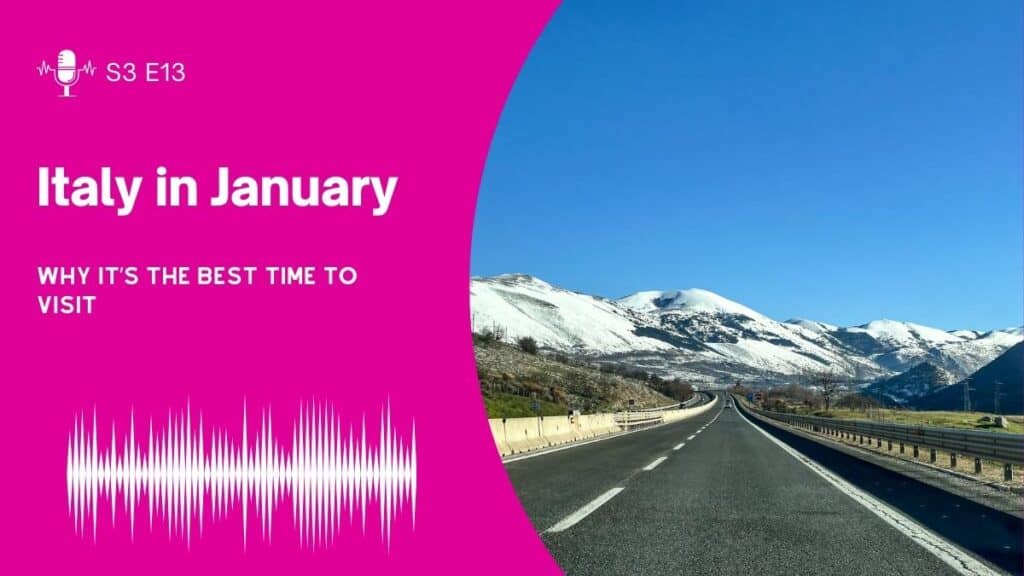
If you’re looking for snow and want to hit the slopes, head north to the Alps and the Dolomites. Temperatures in cities like Milan and Turin typically range from -1°C to 7°C (30–45°F), so you’ll need a warm coat, gloves, and sturdy boots.
Central Italy, including Florence and Rome, experiences milder weather with average highs around 10°C (50°F) and occasional rain. An umbrella, comfortable shoes and layers will keep you comfortable. The weather is milder in southern Italy and the islands, with average temperatures between 12 and 16°C (54–61°F). Keep in mind that the evenings can be chilly, so don’t forget a warm sweater.
Tips for visiting Italy in January
Italy in January feels quieter. The madness of the holidays and New Year’s Eve celebrations is over, and you don’t have to battle the tourist crowds. There are more sunny days, the weather is mild, and the daylight hours start to get longer. Here is what to consider.
Take advantage of the low season
January is one of the least-visited months in Italy, making it ideal for exploring without the usual hustle. Attractions are more accessible, and you’ll enjoy shorter lines at popular sites. You can even enjoy a meal on the patio or a stroll along the beach.
Enjoy the holiday celebrations
If you’re into Christmas markets, those in Italy are usually open until January 6/7. The Epiphany (celebrated on January 6) marks the end of the Christmas season, and you’ll find celebrations and processions across the country. In stores, you might also see lots of candy and stockings stuffed with chocolates. This is to celebrate La Befana, the “good witch” who brings gifts to children on January 6.

Plan for winter closures
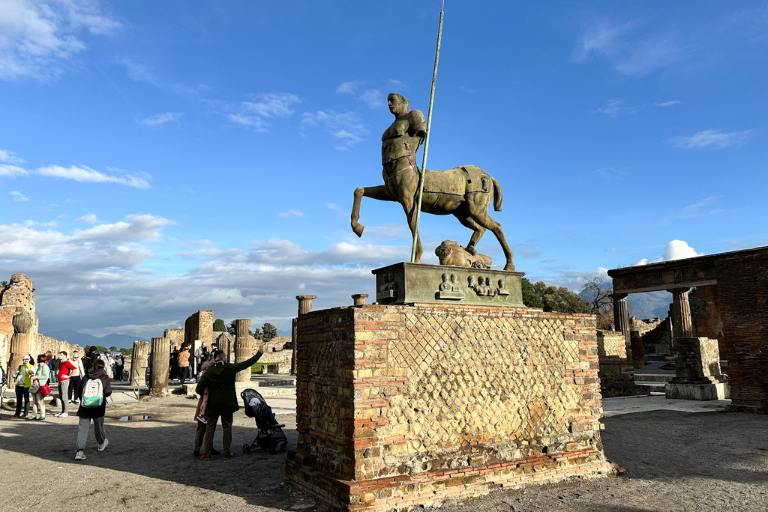
Other than January 1, you’ll find museums, restaurants, and stores operate regular hours. Places like the Pompeii Archaeological Site might have shorter hours, so make sure to factor that in. If you plan to visit coastal towns and smaller villages, especially in the south, keep in mind that services may be limited during the winter months. Always check operating hours in advance.
Indulge in winter cuisine
Italians like to eat according to the season. January is a great time to indulge in hearty seasonal dishes. Look for polenta, risotto, and roasted meats, as well as tortellini in brodo, pasta alla Genovese and rich soups. I love this time of year because you can also get amazing kale, squashes and tangerines (they’re everywhere). Pair your meals with regional wines to fully savour the winter experience.
Best places to visit in Italy in January
If you’re considering coming to Italy in January, you have the whole country to choose from. Touristy cities like Florence, Milan and Naples are less crowded (although you’ll still find plenty of tourists), so consider adding them to your list.
One popular destination I would skip in January is Venice. During winter, Venice often experiences acqua alta or high tide. This is the time when the canals overflow with water, so unless you plan on trekking through Piazza San Marco in your rain boots, I’d skip Venice in January. Here is where to go instead.
Northern Italy
In the north, you’ll get more snow and colder weather. Even if you’re not into skiing or snowboarding, there is plenty to explore in the northern regions. Here are a few suggestions to consider.
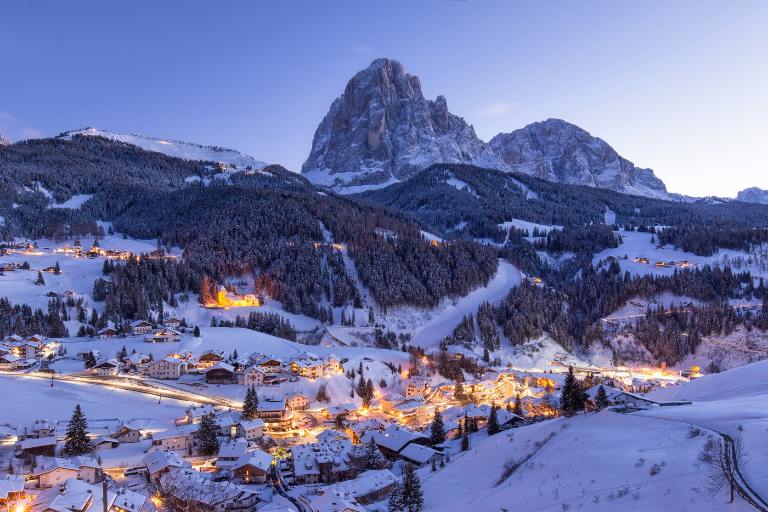
Trento and the Dolomites
This is the place to visit if you want to check out ski resorts and partake in winter sports. Beyond skiing, this region offers breathtaking scenery, charming mountain villages and spa retreats. Visit Trento for its medieval old town and enjoy the region’s unique cuisine.
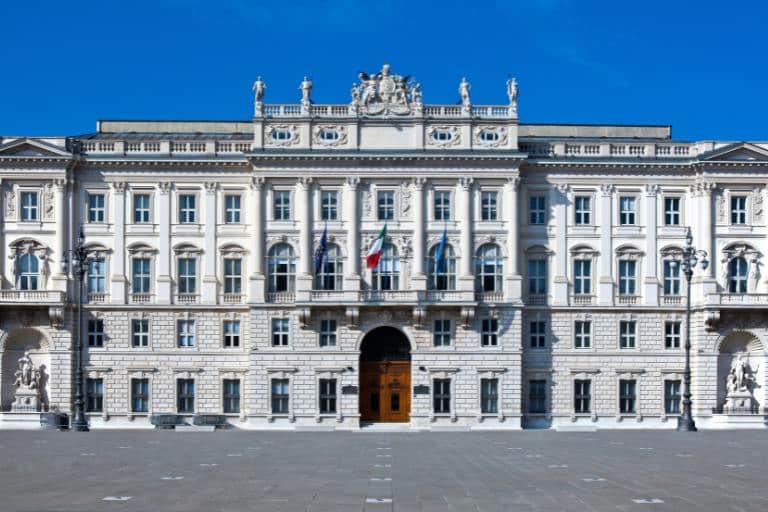
Trieste
This coastal city on the border with Slovenia has a fascinating mix of Italian, Slavic and Austro-Hungarian influences. It’s a perfect spot to explore grand piazzas, historic cafes and the imposing Miramare Castle. If you want to see a very different side of Italy, Trieste will deliver on that front in spades.
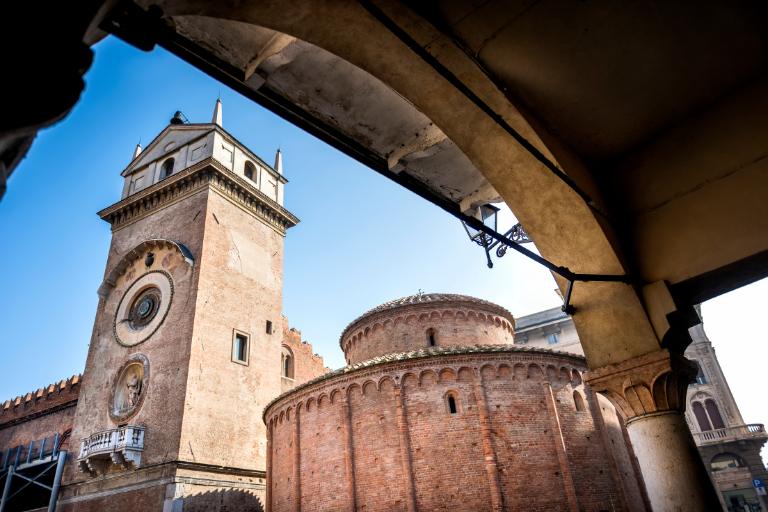
Mantua
A hidden gem for art and history lovers, Mantua is home to stunning Renaissance architecture and has few tourists. Visit Palazzo Te, Palazzo Ducale and follow in the footsteps of the powerful Gonzaga family as you admire the legacy they left behind. You can also enjoy the peaceful winter ambiance along the city’s lakes or enjoy an opera indoors.
Central Italy
Central Italy offers a treasure trove of destinations for your trip, and picking a select few is challenging. You can choose from strolling through charming small towns, exploring bigger cities, or indulging in outdoor adventures and culinary delights. January is an excellent opportunity to find a place in Italy to fall in love with.
Rome
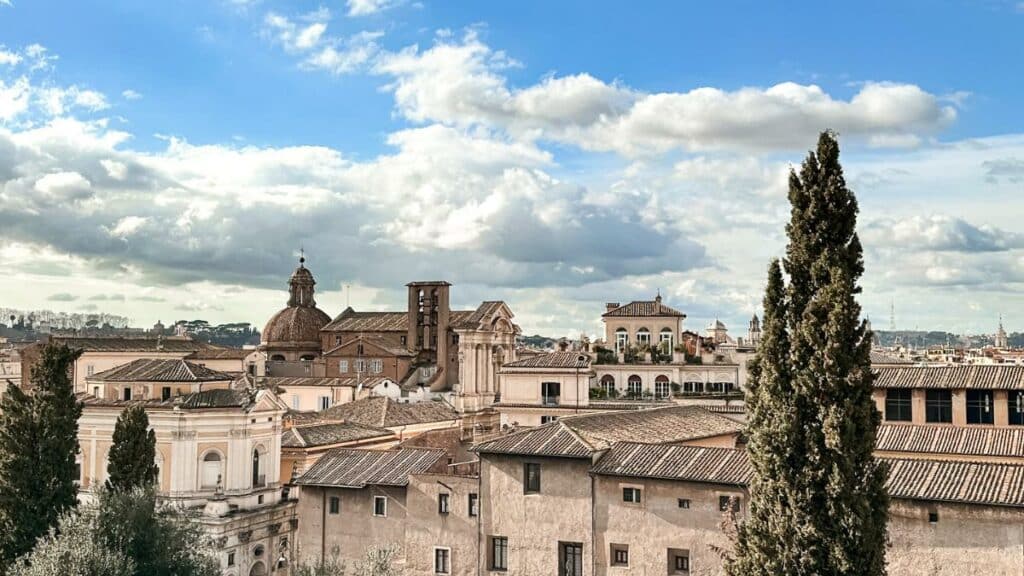
While the off-season concept no longer applies in Rome, January is a great time to experience the city without the summer crowds. You can visit museums, explore popular tourist attractions and indulge in culinary classes and food tours. Plus, it always seems like Rome is full of events and celebrations you can enjoy without the summer heat.
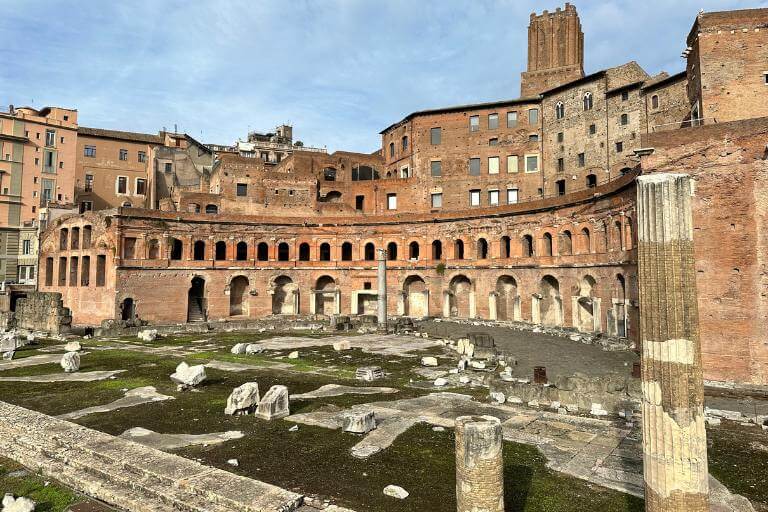
Ravenna
If you want to indulge in great food and stroll through streets full of history and art, then Ravenna is the city for you. Explore Italy’s Byzantine heritage with a tour of stunning churches featuring centuries-old mosaics that will blow your mind. You can also follow in the footsteps of Dante and Lord Byron as you wonder why it took you so long to come here.
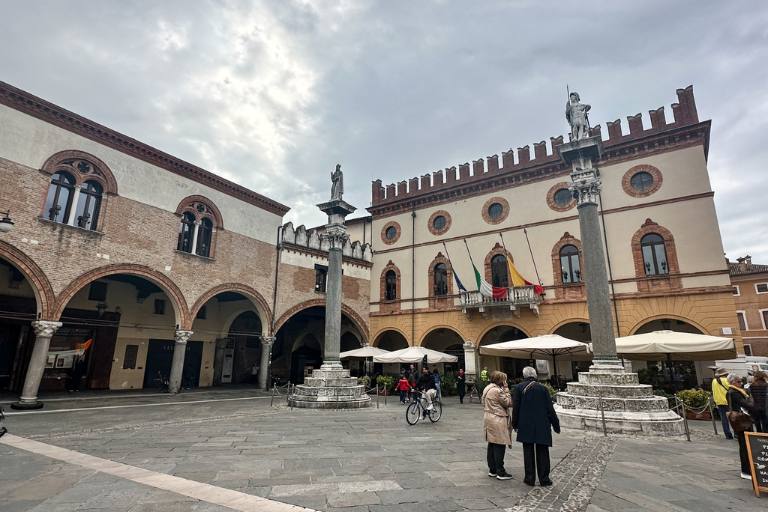
Pistoia
Often overshadowed by nearby Florence, Pistoia offers an authentic Tuscan experience without the crowds. Fall in love with charming piazzas, winding streets and stunning architecture as you discover why this place is known as a cultural hub. Take your visit to a new level with a tour of the underground where you can learn about Pistoia’s past and history.
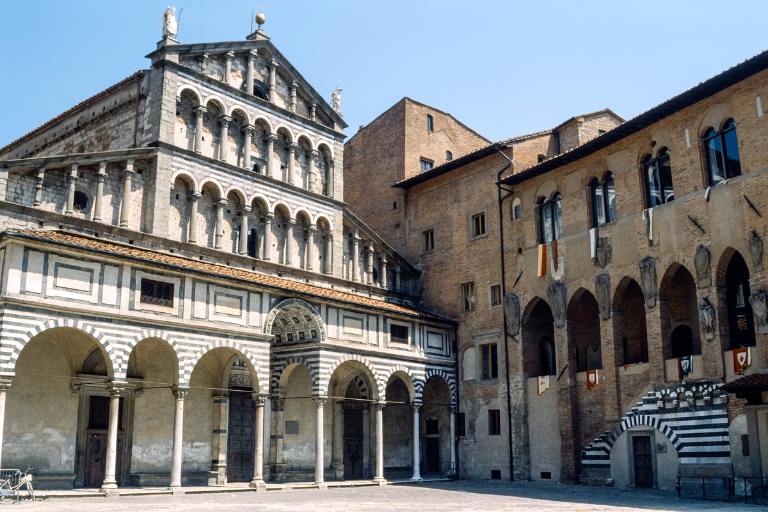
Abruzzo Region
This underrated region is perfect for a winter getaway. Explore Gran Sasso National Park, where snow-capped peaks create a haven for hikers and winter sports enthusiasts. Along the coast, you’ll find charming seaside towns like Pescara and Vasto with breathtaking views of the Adriatic Sea. Abruzzo’s historic towns, such as L’Aquila, Santo Stefano di Sessanio and Castel del Monte, offer timeless charm and a taste of authentic Italian life.
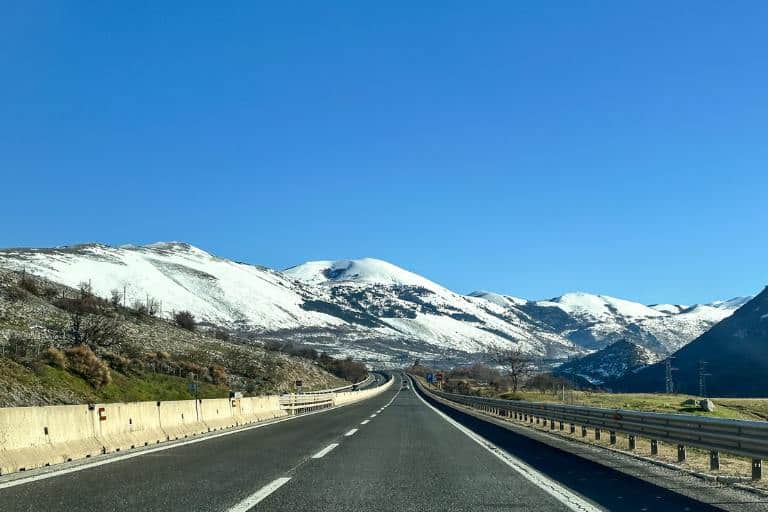
Southern Italy
When we lived in a small town in the Campania region, it snowed once a year. It usually lasted a day or a few hours before disappearing. Winter in this part of Italy is milder, albeit sometimes rainy, but it’s still a great time to adventure. Here are some places to consider if you’re coming to Italy in January.
Matera
Known for its ancient cave dwellings, Matera is a magical cave city and the perfect winter destination. During our trip in January, we experienced Matera with fewer crowds, plenty of sunshine and amazing food. Don’t miss an opportunity to hike the gorge from/to Matera that offers stunning views.

Pompeii Archaeological Park
January is an excellent time to explore Pompeii without the summer crowds. You will still encounter a few tourist groups, but nowhere near the number you see in summer. Walk through the ancient streets and marvel at the remarkably well-preserved ruins of this Roman city without being exposed to the sun. You’ll enjoy it a lot more than you would in summer.
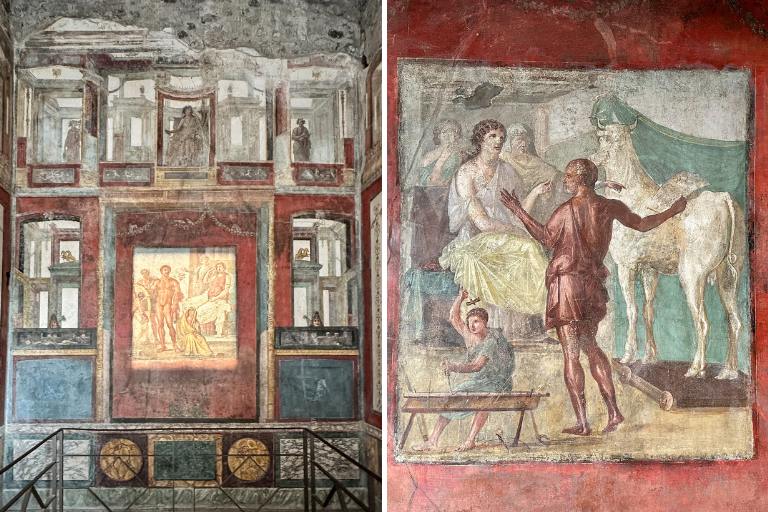
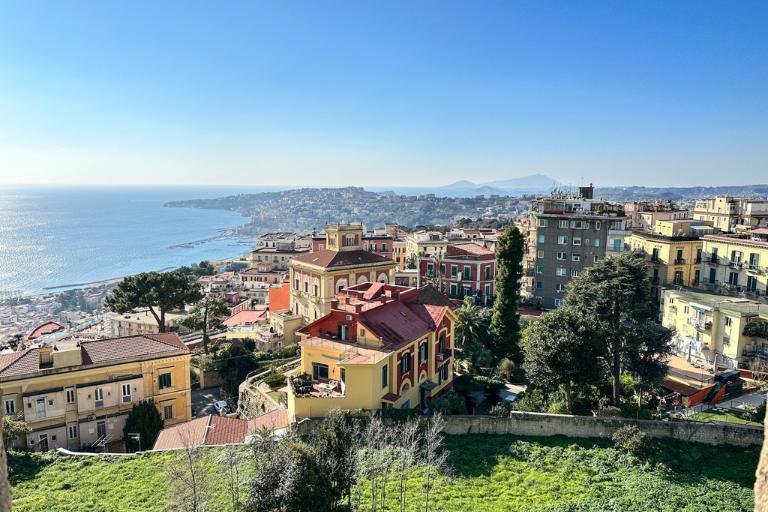
Naples and the Amalfi Coast
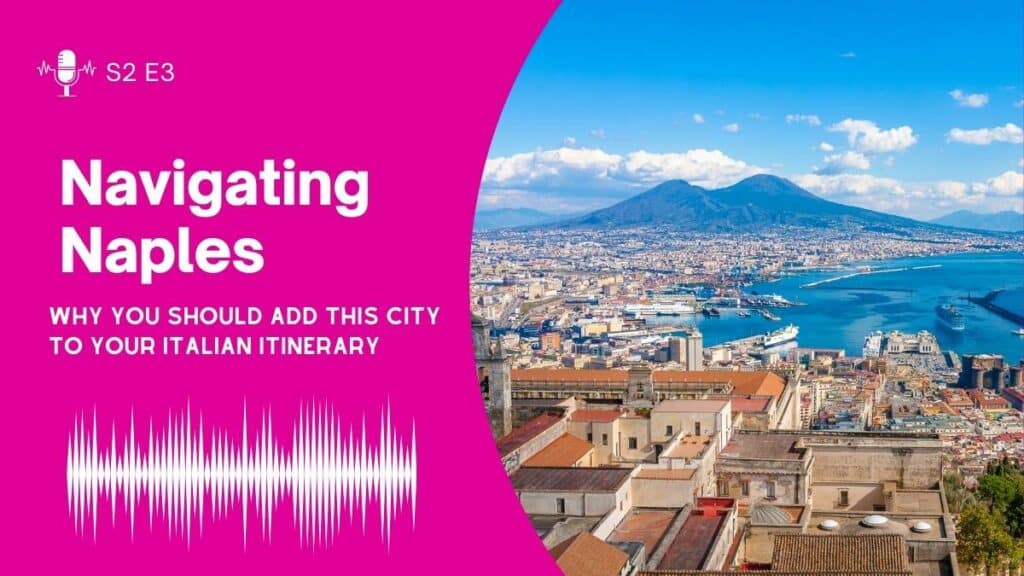
While some towns may be quieter, there is still plenty to enjoy on the Amalfi Coast in January. Enjoy dramatic landscapes, mild weather and fewer crowds. Naples is always a great city to explore, and January is the perfect time to see everything it has to offer.
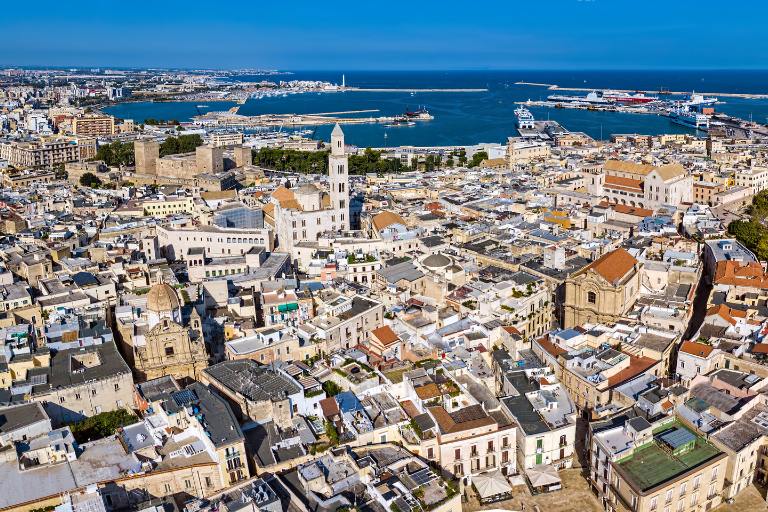
Bari
While most of Puglia is pretty quiet in winter, Bari offers an opportunity to explore a great Italian city with plenty of historic charm and a lively atmosphere. Stroll through the old town, visit the Basilica of Saint Nicholas, and enjoy delicious Apulian cuisine. The weather will definitely be warmer here than in the north f the country.
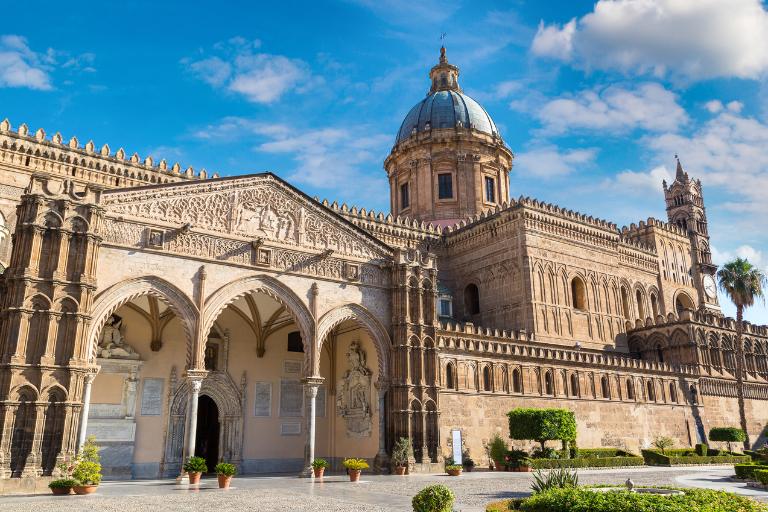
Sicily
I would argue that Sicily is the ideal year-round destination because it offers so much. Whether you’re into snowy or sunny experiences in January, you can get both in Sicily. Near Mount Etna, you can find snow for skiing and winter sports, while places like Palermo provide sunny weather and vibrant city life. You might even be able to hit the beach, which is definitely a bonus.
Why visit Italy in January?
January in Italy is a special time to discover the country at a slower pace. Whether you’re skiing in the Alps, exploring quaint towns, or indulging in winter specialties, this is the perfect month to enjoy peaceful landscapes and authentic experiences. Bundle up, embrace the off-season magic, and let Italy’s charm warm your winter days.