Rome is one of those cities that’s hard to explain until you’ve been there. Nearly 3,000 years of history, world-class art, incredible food, and some of the most recognizable landmarks on earth, all packed into one walkable city. If you’re wondering whether Rome is worth the trip, the short answer is yes. Here’s why everyone should visit Rome.
- Layers of history everywhere, from ancient myths to imperial marvels, perfect for history lovers wanting to step back in time.
- World-class art and museums, including Vatican masterpieces and galleries, offering immersive Renaissance and Baroque experiences.
- A spectacular mix of styles from classical to Baroque, with icons like the Pantheon and St. Peter's Basilica to admire.
- Extraordinary ancient ruins and engineering feats such as the Colosseum and aqueducts, showing Roman innovation and endurance.
- Delicious Roman cuisine and vibrant street food, from carbonara to supplì, best experienced in neighborhood trattorias and markets.
Unlike most cities, Rome doesn’t have one big draw. It has layers. History, art, food, architecture and neighbourhoods that each feel like a different world. First-time visitors often say they need to come back. That’s not a bad problem to have.
Why is Rome called the Eternal City?
The nickname goes back to the Romans themselves. They believed their city would last forever, no matter what happened to the rest of the world. Given that Rome is still standing after nearly 3,000 years, it’s hard to argue with them.
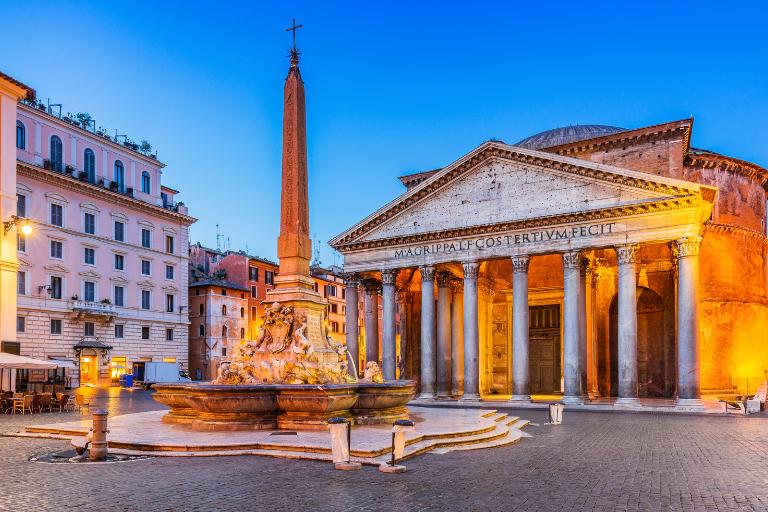
The Roman Empire ruled over much of the ancient world for centuries. Romans were builders, engineers and soldiers who left their mark across Europe and the Middle East. Walk around Rome today, and that legacy is everywhere — in the ruins, the monuments and the streets themselves. The glory never really left.
Why visit Rome?
As the cradle of the Roman Empire and then the heart of the Catholic Church, Rome is full of history, culture, art and amazing food. Here, you’ll find layers of history. Different centuries are stacked like layers of a cake. Part of the fun is exploring all these layers and enjoying them for what they are.
Visit Rome for the history
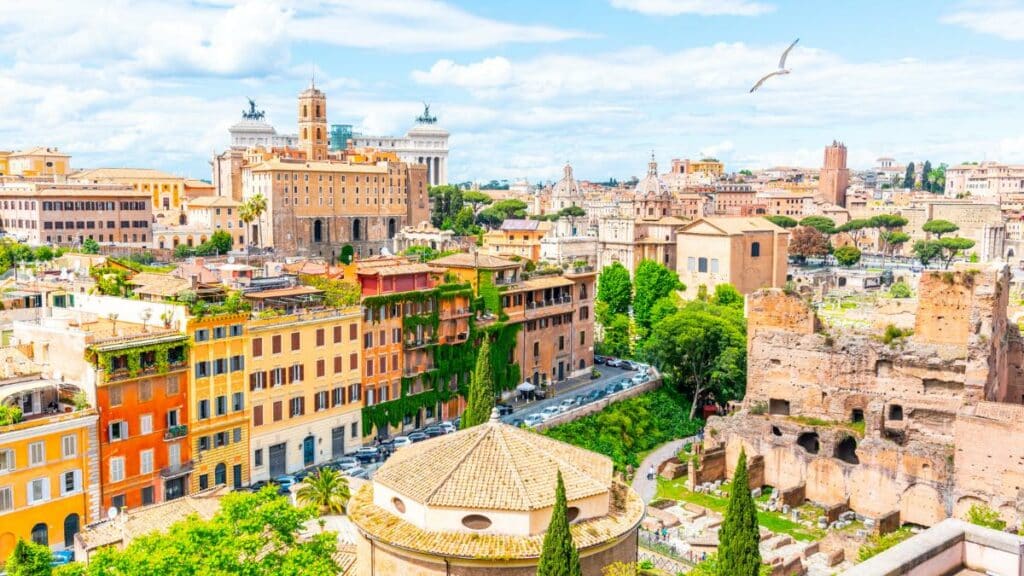
Rome’s history goes back nearly 3,000 years, and it shows. This city was the centre of the ancient world for centuries, and the evidence is everywhere. You don’t have to look for it — you just walk around, and there it is.
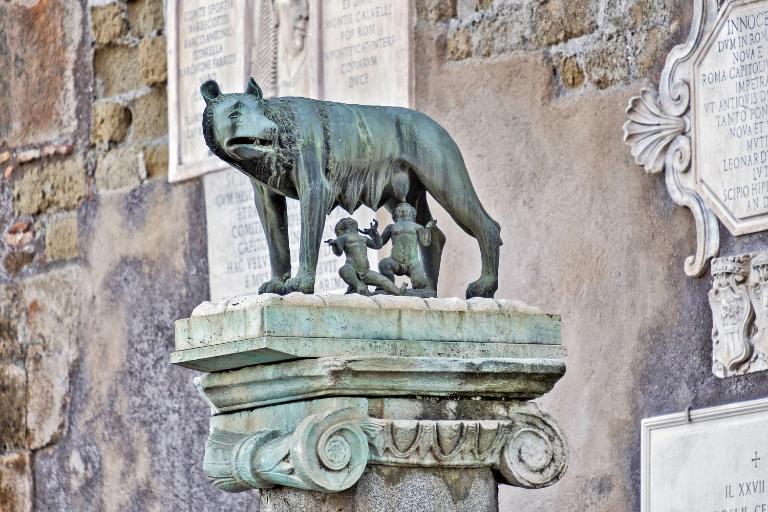
From the Colosseum to the Roman Forum, every corner of the city tells a story. No other city puts you this close to the ancient world. For anyone who loves history, that alone is worth the trip.
Visit Rome for the art and museums
Rome is home to some of the greatest art collections in the world. The Vatican Museums, the Sistine Chapel, the Borghese Gallery — these aren’t just tourist stops, they’re where the masterpieces actually live. Raphael, Michelangelo, and Caravaggio all came to Rome to do their best work.
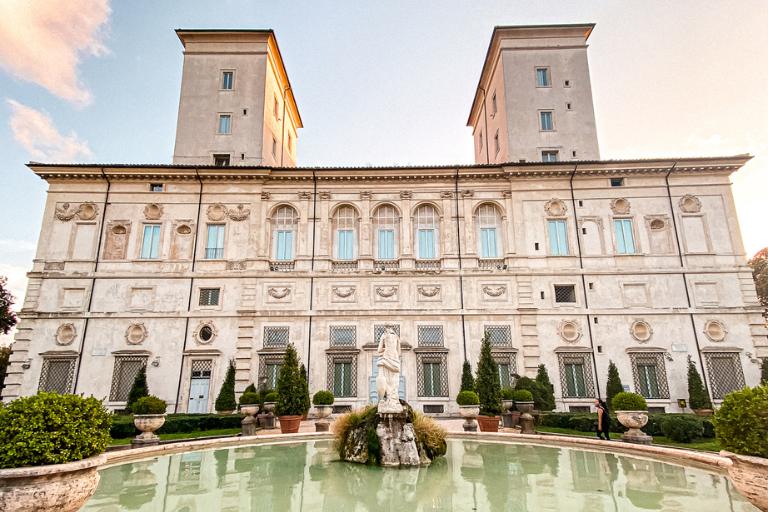
And it’s not just the museums. Churches, palaces, private galleries and even the fountains are filled with works that would headline any collection in the world. Rome is where the art is.
PRO TIP: Book your Vatican Museums tickets in advance — they sell out fast!
Visit Rome for the architecture
Augustus famously said he found Rome a city of bricks and left it a city of marble. Walking around today, you believe him. Etruscan, Greek, Roman, Renaissance and Baroque. These styles stack up on top of each other across every street and piazza. It’s a marvellous blend of architecture that has no equal.
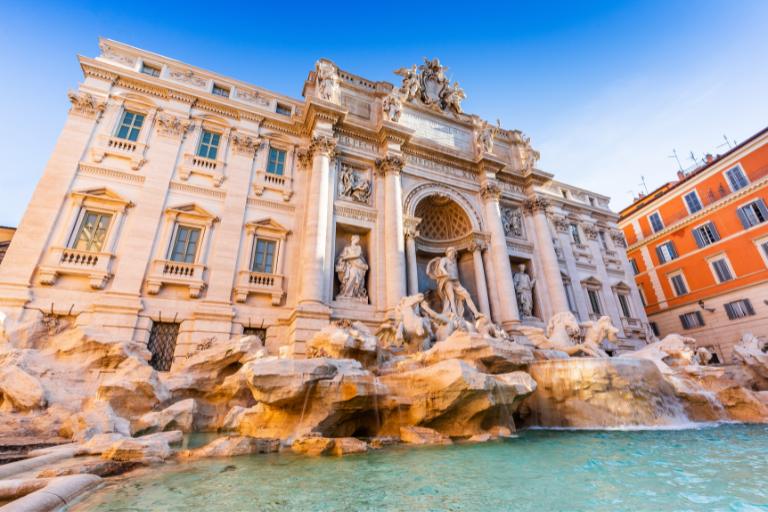
The Pantheon has the largest unreinforced concrete dome ever built. St. Peter’s Basilica is one of the most ambitious construction projects in human history. The Trevi Fountain was designed by the same hands that shaped some of Rome’s greatest buildings. You could spend days just looking up and around you.
A guided walking tour is the best way to catch details that most visitors walk right past. Book yours today!
Visit Rome for the Roman ruins
Romans were master builders. They introduced concrete and arches to create structures that have lasted nearly 2,000 years. Their approach to roads, aqueducts and large-scale buildings influenced construction practices for centuries. It can still be seen across Europe and the Middle East.
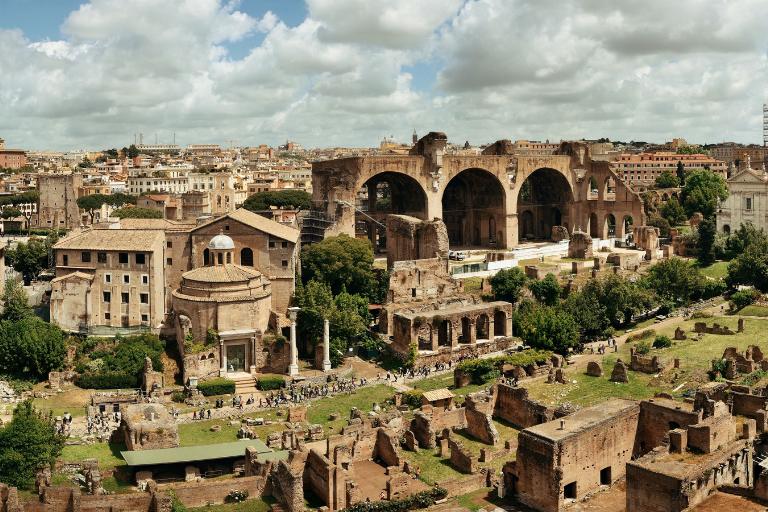
The ruins we see today are a shadow of what they once were, and they’re still extraordinary. Think of the Colosseum, the largest amphitheatre in the world, or the Pantheon, with the largest unsupported dome in the world. The fact that so much still stands is a testament to the brilliance of the Roman builders.
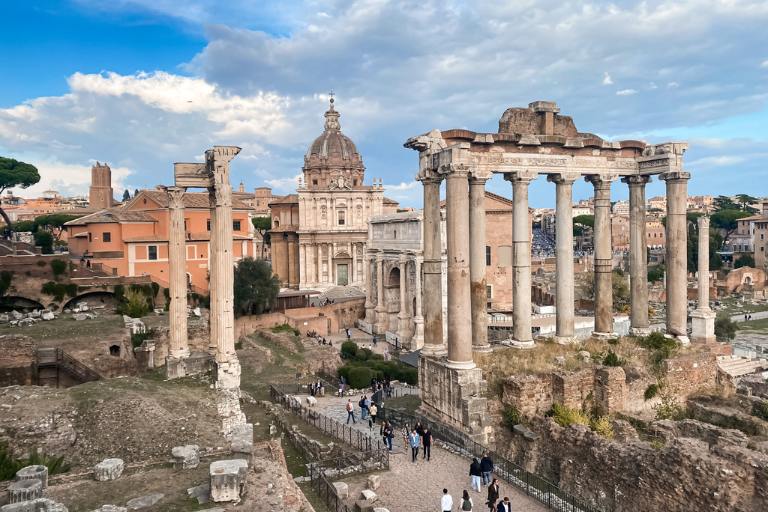
Rome has the highest concentration of ancient ruins anywhere in Italy. When you visit, take time to slow down and look at them properly. The Eternal City is still standing. Maybe the Romans were onto something after all.
Skip the line and see the Colosseum, Roman Forum and Palatine Hill with a guided tour.
Visit Rome for the food
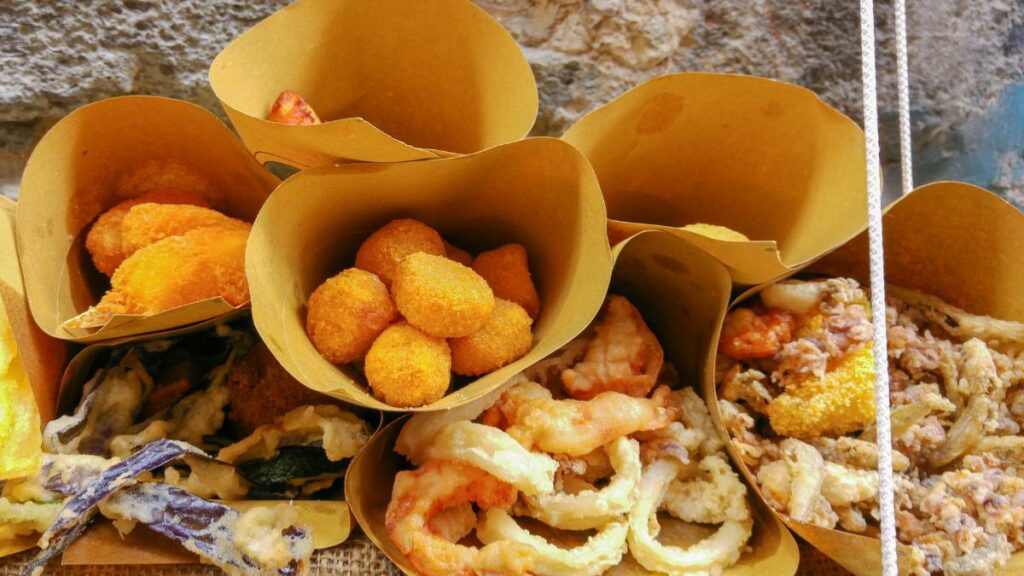
Italian food is loved all over the world, but Rome has its own distinct cuisine, and it’s worth coming for that alone. Carbonara, cacio e pepe, supplì, porchetta — these dishes were born here, and they taste better here. Full stop.
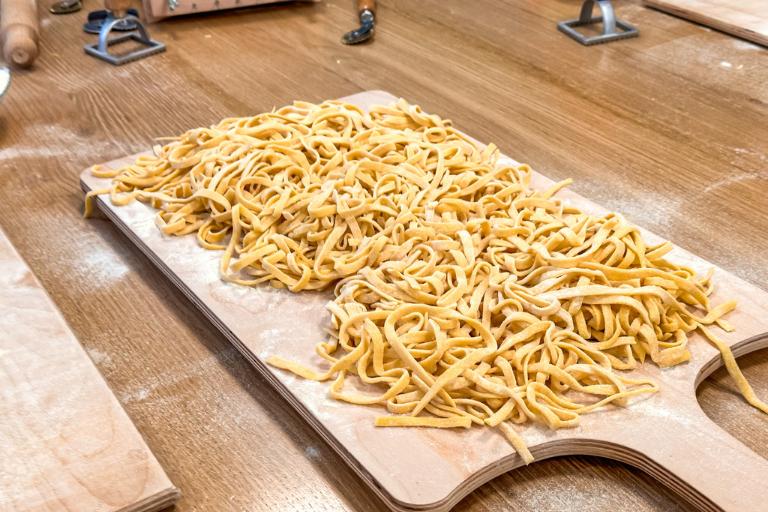
Beyond these famous dishes, explore a thriving street food scene. Grab a slice of pizza al taglio as you walk, or stop at a neighbourhood trattoria for a sit-down meal that won’t cost a fortune. The best meals in Rome are often the simplest ones, served in places with no tourist menus in sight.
A street food tour is one of the best ways to eat your way through Rome and learn what Romans actually eat.
Visit Rome for the vibrant piazzas and neighbourhoods
Rome’s piazzas are its living rooms. The Spanish Steps, Piazza Navona and Campo de’ Fiori are perfect spots to sit, watch the world go by and soak up the city at its best. Grab a cappuccino at a sidewalk café and stay a while.
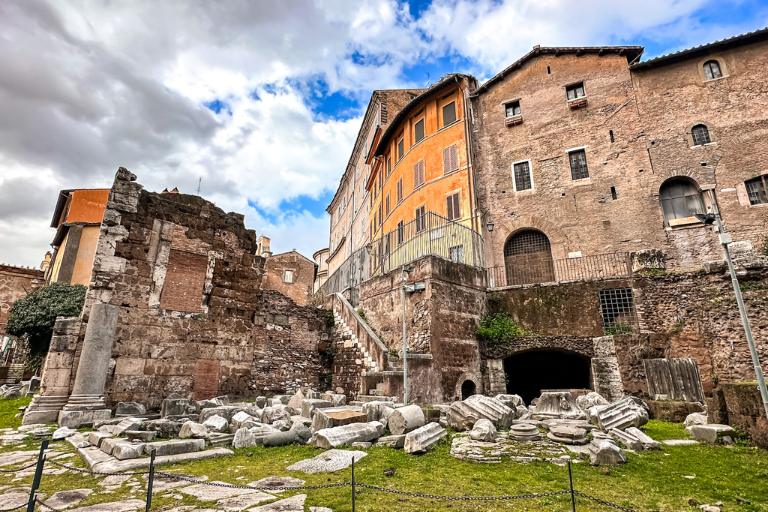
Each neighbourhood has its own personality. Centro Storico puts you right in the middle of everything, with the Trevi Fountain and Colosseum practically at your door. Trastevere is cobblestone streets, lively squares and traditional trattorias across the Tiber.
Not sure which part of Rome to stay in? Here’s a breakdown of the best neighbourhoods for first-time visitors.
Monti is artsy and relaxed, with vintage shops and great cafés. Prati is elegant and quieter, with wide avenues and excellent restaurants. Testaccio is the food lover’s pick, built around a market and some of the most authentic Roman cooking in the city.
Visit Rome for the green spaces
Many people don’t realize, at least not on their first trip, that Rome is filled with beautiful parks and gardens. These green spaces are perfect for relaxation and taking a break from sightseeing. The Villa Borghese Gardens, one of the most beautiful parks in the city, provides a peaceful retreat with beautiful views, while the Appian Way offers a historic park setting for a leisurely bike ride or walk.
Visit Rome for Vatican City
Vatican City is the smallest country in the world and sits right inside Rome. For first-time visitors, it’s one of the most striking things you’ll see anywhere. St. Peter’s Basilica alone is worth the trip. The scale of it, the art inside, the view from the dome — nothing quite prepares you for it.
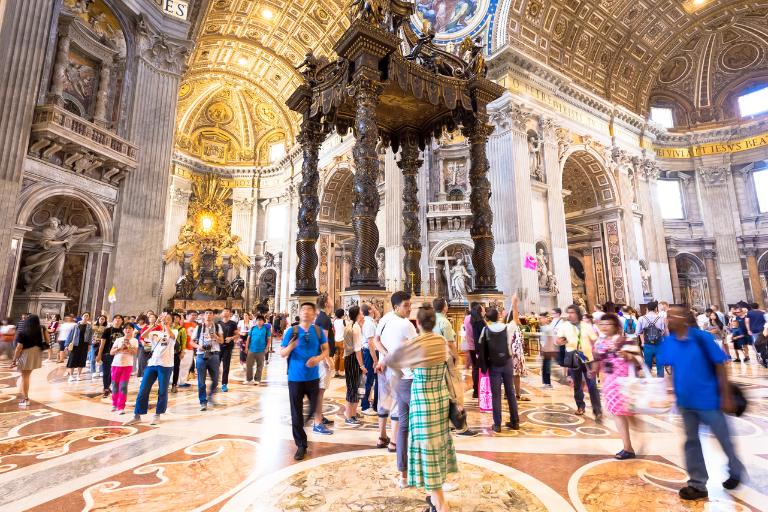
The Vatican Museums are among the most visited in the world for good reason. They hold one of the greatest art collections ever assembled, capped off by the Sistine Chapel. Michelangelo painted that ceiling lying on his back over four years. Standing beneath it, that’s easy to believe.
Plan to spend at least half a day here, and book your tickets well in advance. The lines without a booking can be brutal. Book a guided Vatican tour to skip the line and actually understand what you’re looking at.
Tips for visiting the Eternal City
You can visit Rome all year round. However, you’ll find fewer crowds, milder weather, and shorter lineups during the shoulder seasons. Summer months, especially August, can be sweltering and humid, which makes standing in lines painful. Not only is it hot, but it’s also overrun with tourists, and many locals take off on holidays.
- When to go: The best times to visit are spring (January to April) and autumn (September to November). The weather is mild, the crowds are thinner and the lines are shorter. Summer, especially August, is hot, humid and packed with tourists. Many locals leave the city in August, which means some restaurants and shops close too.
- Book tickets in advance: The Colosseum, Vatican Museums and Borghese Gallery all require advance booking. The Borghese Gallery limits visitor numbers strictly, so tickets sell out weeks ahead. Don’t leave these until you arrive.
- Get around on foot and by transit: Rome’s historic centre is best explored on foot. For longer distances, buses and the metro cover most tourist areas well. Consider a Roma Pass if you plan to use public transport often — it includes unlimited travel and discounted entry to attractions.
- Wear comfortable shoes: Rome’s streets are mostly cobblestone. Pretty, but uneven. Good walking shoes are not optional.
- Drink the tap water: Rome’s tap water is clean and safe to drink. The city has hundreds of public drinking fountains called nasoni scattered across the city. Fill up your water bottle and save money, especially in summer.
- Go beyond the tourist spots: The big landmarks are worth seeing, but some of the best moments in Rome happen when you wander. Duck into a side street, find a neighbourhood bar and order a coffee standing up like a local. Rome has a way of rewarding curiosity.
Final thoughts on why you should visit Rome
There are so many things to love about Rome. It’s unlike any other city I have ever been to and one that has so much to offer. While not everyone has to love it as much as I do, I think everyone should visit Rome at least once. Everything I mentioned – art, culture, history – has profoundly influenced our world today. It’s only fitting to go to the source and see it for yourself.
By planning wisely and taking the time to truly absorb its beauty, you’ll understand why Rome is affectionately known as the Eternal City. So, pack your bags, embark on this timeless journey, and discover why visiting Rome is the adventure of a lifetime.