
You’ve planned your dream trip to Italy from beginning to end. You’ve booked the hotels, activities and have mapped out the perfect itinerary. What you might have missed is the possibility of transportation strikes in Italy, which can put a kink in your plans.
While arriving at the airport or train station to find out that your flight or train has been cancelled due to a strike can be frustrating, don’t panic. Strikes are common in Italy. While they only last a short time, they can be inconvenient. Knowing what to expect and planning ahead can help you handle them like a pro.
What are strikes really about?
Strikes in Italy aren’t just random chaos. They’re deeply rooted in the country’s work culture and history. Article 40 of the Italian Republic’s Constitution of 1948 expressly recognizes the right to strike as one of the most fundamental rights for protecting workers’ rights against the power of employers.
This means that striking is a protected right that workers use to fight for better pay, safer working conditions, and improved services. Italian workers frequently use strikes to push for change, protest a decline in their spending power, or low salaries, as well as government policies. These strikes occur across all sectors, including trains, planes, buses, and even taxis.
How Italian strikes work
I wasn’t aware of how often Italian workers went on strike until we actually moved here. It’s not uncommon to have a nationwide strike one or twice a month. Sometimes the strikes affect certain areas (like certain airports or different job functions) and can last for various amounts of time.
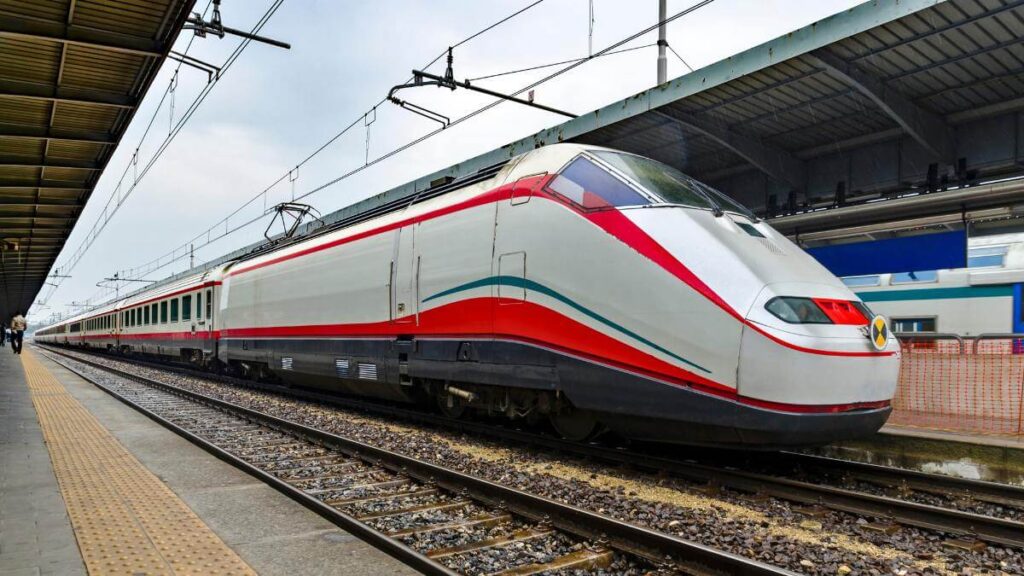
Italian strikes follow strict rules. Most are announced weeks in advance. They usually last 4 to 24 hours, not days or weeks. The government requires “essential services” to keep some operations running during strikes. For trains, this means that certain routes still operate, known as “guaranteed services.”
Train strikes typically run from 9 p.m. one day to 6 p.m. the next day. They can start at midnight or at any time during the day. While strikes do impact train schedules, many trains still continue to operate. Some “guaranteed” trains run during the Trenitalia strike action. Flight strikes are often shorter, usually just a few hours during peak travel times.
Stay informed before you go
Strikes in Italy are always planned in advance. This means that you’ll be able to know of an upcoming strike before it actually happens. Italian news sites often report information about upcoming strikes. Look for “sciopero” (the Italian word for strike) in headlines. Set up Google alerts for “Italy transport strikes” a few weeks before you travel.
Key websites to check for strike notifications:
- Italian Ministry of Transportation
- Trenitalia.com for train strike information
- Your airline’s website for flight delays
What happens to your tickets?
If you’ve already got your tickets before a strike is announced, it doesn’t mean that your flight or train will be cancelled. The best way to determine if a strike has affected you is to contact your airline or the train company. Even during the strike, many trains and planes still operate. There might be delays, not actual cancellations.
- Train tickets: You can usually reschedule or get a refund for affected trains. Keep your tickets and receipts. Check with the train company’s customer service. Many let you use your ticket on the next available train after the strike ends.
- Flight tickets: Airlines must help passengers on cancelled flights. If your flight is affected, you may be able to get on the next available flight or receive a refund. EU passenger rights protect you if flying within Europe.
- Local transport: Most cities offer refunds for unused daily or weekly passes during strikes. Keep your tickets as proof.
How to plan for strikes in Italy
- Plan buffer days around important travel dates. If you have a flight home, arrive in your departure city a day early. This provides backup options in case strikes affect your travel day.
- Book flexible tickets when possible. They cost more but let you change dates without hefty fees.
- Consider travel insurance against strike delays.
- Have backup transport plans. If trains are delayed, buses may still operate to your destination.
- Private bus companies, such as FlixBus, often continue operating during public transport strikes and might be a great option for you.
- Consider renting a car and seeing Italy on your own schedule.
- Stay flexible with your schedule. Museums and restaurants stay open during transport strikes. Use strike days to explore your current city instead of moving between places.
- When in doubt, check with the locals, hotel staff, or tour operators, as they may have valuable insights into upcoming strikes and their potential impact on your trip.
What to do during a strike
Check official sources for updates in the days leading up to the strike date and on the day of the strike. Strike coverage can change hour by hour. Some services might start early or run longer than planned.
Arrive early if travelling on strike days. Limited services can often mean crowded platforms and longer wait times. “Guaranteed” trains fill up fast.
Keep emergency cash handy. ATMs might be harder to reach during strikes. Having cash helps with taxis, buses, or food during delays.
Stay calm and patient. Italians are used to strikes and usually handle them with good humour. Follow their lead and make the best of the situation.
Final thoughts for dealing with strikes in Italy
Travel delays are never fun, but they are temporary. Strikes can mess up one day, but they won’t ruin your whole trip. Stay flexible, keep your sense of humour, and think of this as an authentic Italian experience. They show you how locals deal with daily challenges. You’ll have great stories to tell back home.