Palermo doesn’t look like the Italy you’ve seen on postcards. There’s no polished piazza lined with gelato shops. Instead, you get crumbling baroque palaces next to Arab-Norman churches, chaotic street markets, and food that reflects centuries of foreign rule. It’s raw, layered and completely unlike anywhere else in the country.
- Explore Palermo's Arab-Norman churches, rooftop access at the cathedral, Cappella Palatina and San Cataldo for unforgettable architecture.
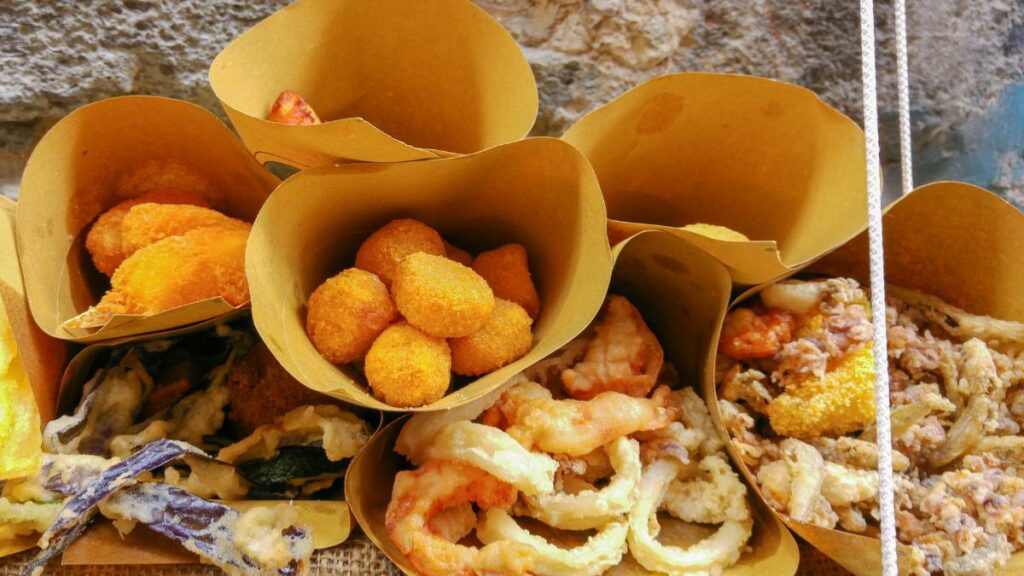
- Eat your way through Palermo's street food: arancini, panelle, pasta alla Norma, cannoli and market snacks.
- Wander chaotic markets like Ballarò, Capo and La Vucciria to sample produce, seafood and authentic local life.
- Visit landmarks and museums: Palazzo dei Normanni, Teatro Massimo, Galleria Regionale and Museo Archeologico Salinas.
For first-time visitors, that can feel overwhelming. This guide covers the best things to do in Palermo, from UNESCO-listed churches to the city’s legendary street food scene, so you can make the most of your time there.
No time to read? We covered Palermo in depth on the podcast: listen to the episode here.
Palermo, a different side of Italy
Palermo is unlike most Italian cities you’ve probably visited. It’s less polished than Florence or Rome, but that’s part of the appeal. Beneath the surface, you’ll find a city shaped by a long line of rulers, Phoenicians, Greeks, Arabs, Normans and Spanish, who each left their mark. The result is something you won’t find anywhere else in the country.
Brief history of Palermo
Various cultures have shaped Palermo over centuries, each leaving a mark on the city. Founded by the Phoenicians in the 8th century BC, it passed through the hands of the Greeks, Romans, Arabs, Normans and Spanish, each adding their own layer to its architecture, food and culture.
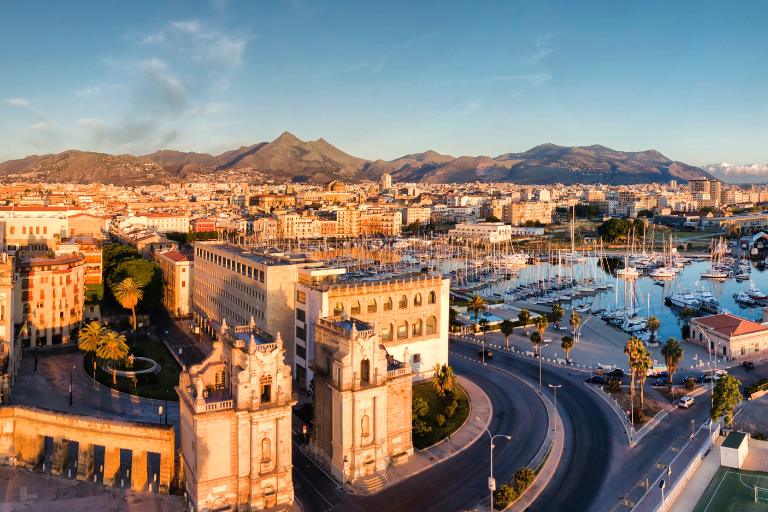
The city’s golden age came under Arab rule, when Palermo rivalled the great cities of the medieval world in size and beauty. The Arabs left behind intricate architecture and lush gardens. The Normans added grand cathedrals and palaces. What makes Palermo so fascinating is that each new wave of rulers tended to build on what came before rather than tear it down. The result is a city where a 12th-century church might have Arab ceilings, Byzantine mosaics and Norman stonework all under one roof.
That layered history is still visible today. You’ll notice the contrast between crumbling buildings, once grand and now neglected, and newly restored ones. Palermo suffered significant neglect under mafia control for decades. The government has been working to restore different neighbourhoods, though there’s still a long way to go.
Palermo must-see attractions and things to do
With so much history, Palermo has something to offer for everyone. As an all-year destination, you don’t have to worry about lacking choices or the best times for visiting. Take full advantage of your time in Palermo with this handy list of places to visit. There are also many free things to do in Palermo, so it won’t break your budget.
Explore Palermo’s churches
Palermo’s churches are unlike any you’ll find elsewhere in Italy. Most are a blend of styles and cultures, so you might spot Arab arches inside a Norman cathedral or Byzantine mosaics alongside Baroque stonework. You don’t need to be religious to appreciate them. They’re some of the most visually striking buildings in the city.
Palermo Cathedral (Cattedrale di Palermo)
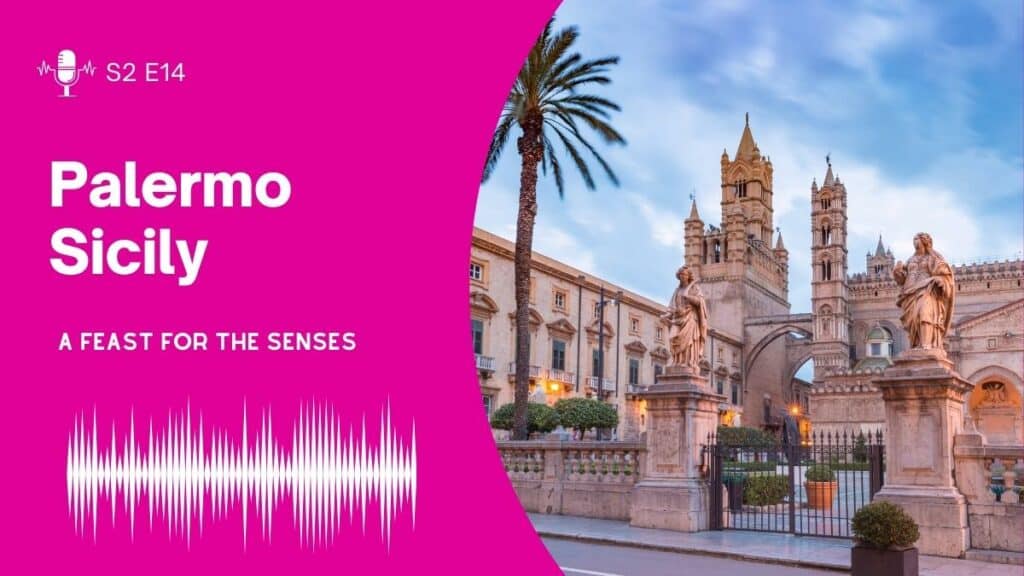
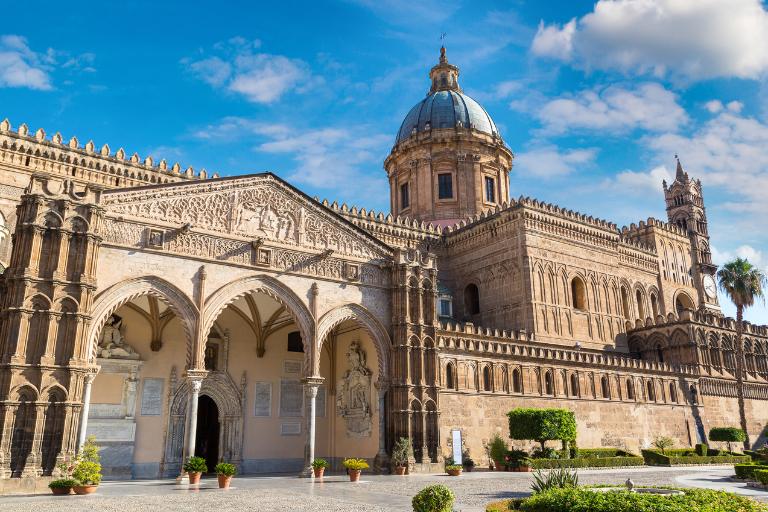
A must for architecture lovers. By the time it was completed in 1185, the building had already been a Byzantine basilica and a mosque. Today it combines Norman structures, Gothic porticoes, Baroque cupolas, majolica tiles and Arab inscriptions in one extraordinary building. Don’t miss an opportunity to walk on the rooftop of the cathedral for great views of Palermo. Get the audioguided tour and rooftop entry ticket before you go.
LOCATION: Corso Vittorio Emanuele
Monreale Cathedral (Duomo di Monreale)
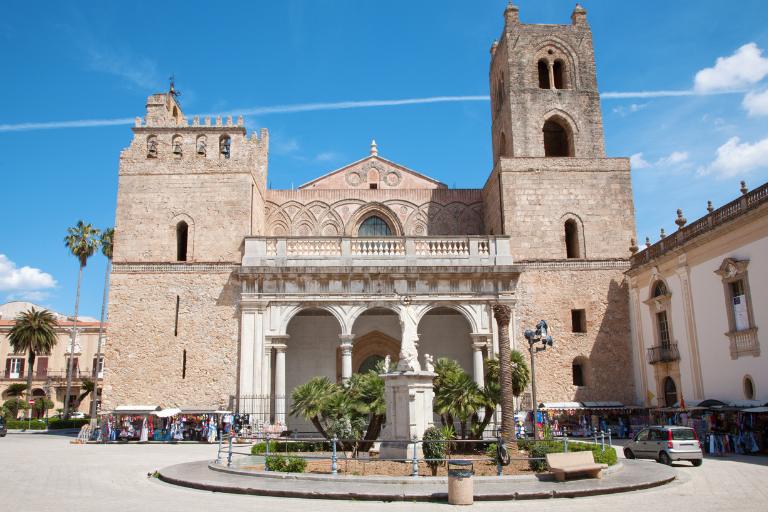
Technically located in the town of Monreale just outside Palermo, this 12th-century cathedral is worth the short trip. The interior is covered in breathtaking Byzantine mosaics depicting biblical scenes and saints. Get your ticket before you go.
LOCATION: Monreale, 8 km from Palermo city centre
Church of San Cataldo (Chiesa Capitolare di San Cataldo)
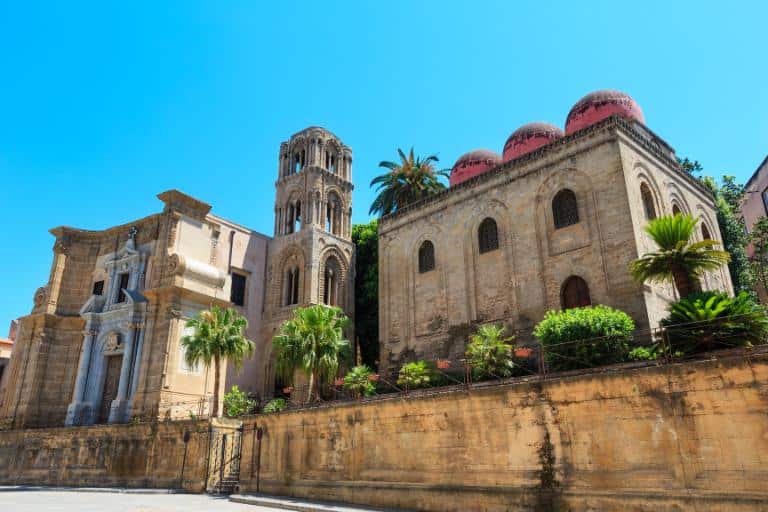
One of Palermo’s most distinctive buildings. The three red domes on this solid square church are unlike anything else you’d expect to see in Italy. Built in 1154, it’s a standout example of Arab Norman architecture and a UNESCO World Heritage site. If you love architecture, this one is a must-see.
LOCATION: Piazza Bellini
San Giovanni degli Eremiti
Another Arab Norman gem, recognizable by its five red domes. The church itself is quiet and a little austere, but the surrounding garden filled with citrus trees makes it a peaceful stop. Climb the tower for views over the city. More information can be found on this site.
LOCATION: Via dei Benedettini
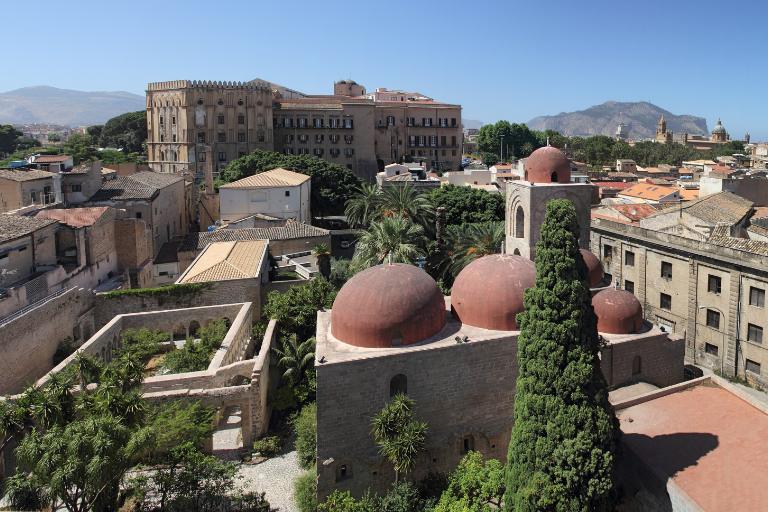
Cappella Palatina (Palatine Chapel)
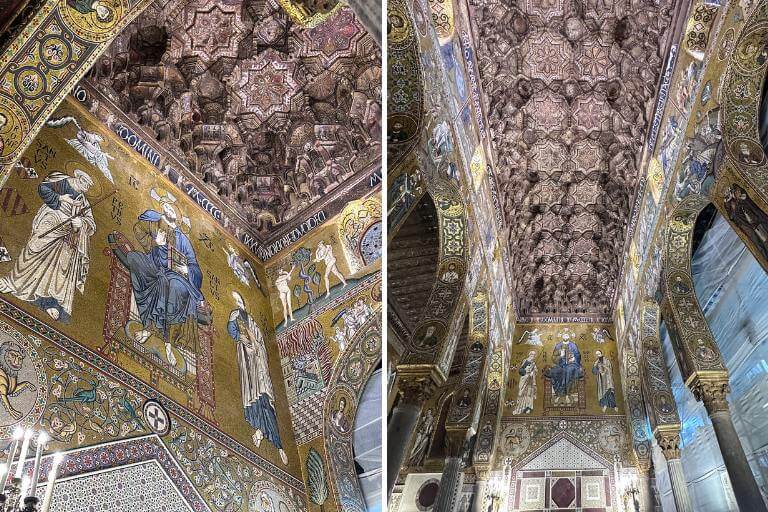
Located inside the Palazzo dei Normanni, this early 12th-century chapel is one of Palermo’s finest interiors. Intricately carved wooden ceilings showcase Arab craftsmanship, while Byzantine Greek artisans created the gold mosaics and marble details. NOTE: As of March 2026, the chapel is undergoing renovation, which may affect your experience.
LOCATION: Piazza del Parlamento
Church of the Gesù (Chiesa del Gesù)
Built by the Jesuits at the height of Baroque art in Palermo, this church became the model for Jesuit churches across Italy and Europe. It suffered heavy damage during WWII and has been extensively restored.
LOCATION: Casa Professa
Visit Palermo’s landmarks
Palermo has plenty to explore beyond its churches. The city’s long history means there’s no shortage of palaces, gardens and public spaces worth your time.
Palazzo dei Normanni (Norman Palace)
One of the oldest royal residences in Europe, the Norman Palace has been at the centre of Palermo’s political life since the Arab era. Today, it houses the Sicilian Regional Assembly. The star attraction inside is the Cappella Palatina, but the rest of the palace is worth exploring too.
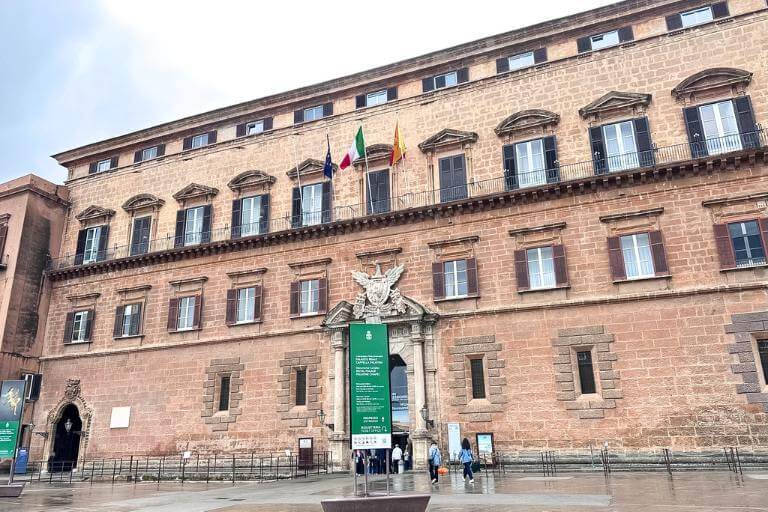
NOTE: As of March 2026, the royal apartments are not open to the public. You can still explore the chapel and exhibitions, but not the apartments. Get your ticket on site or skip the line by getting it ahead of time.
Quattro Canti
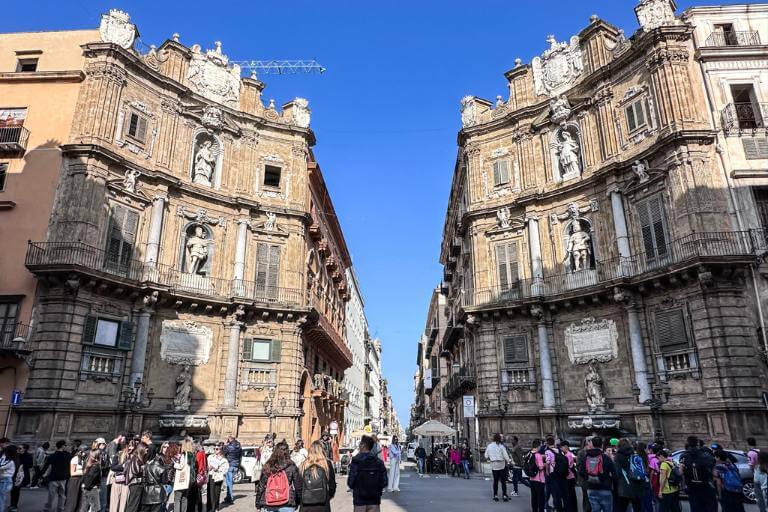
The four corners intersection is at the heart of Palermo’s old town. Each corner features a curved Baroque facade with fountains, statues and decorative details. It’s a good central reference point and a natural starting place for exploring the old city on foot. Just look for the patios and groups of people hanging out.
Piazza Pretoria (Fontana Pretoria)
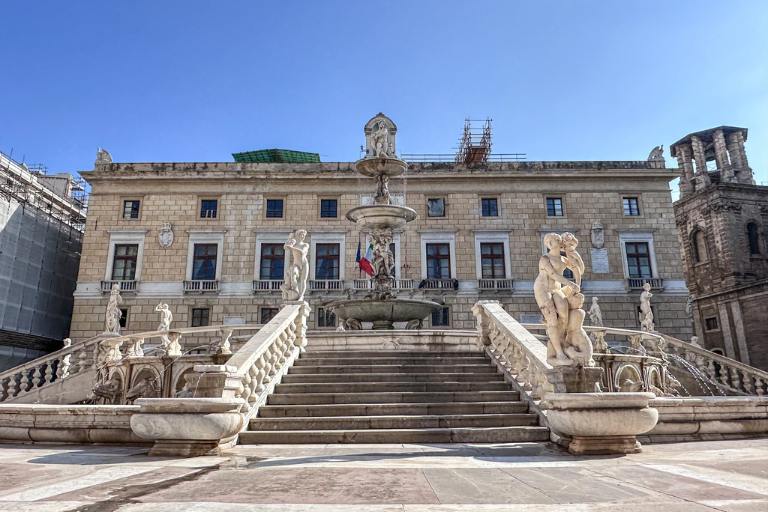
Just steps from Quattro Canti, this square is home to a large 16th-century fountain covered in nude statues. The locals nicknamed it the Fountain of Shame when it was first installed. It’s still one of the most photographed spots in the city. The area around the fountain is undergoing renovations, which detracts from it, but you can still find good spots for pictures.
Orto Botanico (Botanical Garden)
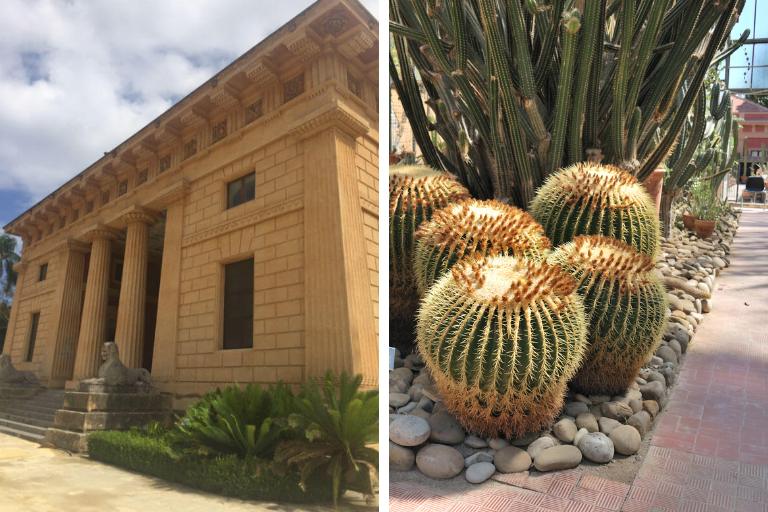
A research garden run by the University of Palermo, dating back to the late 18th century. It’s a welcome break from the city streets, with a wide variety of trees, plants, water features and greenhouses. A good stop on hot days. Get your tickets on site or on the official site. NOTE: The gardens are closed Dec. 25 to Jan.1.
Teatro Massimo
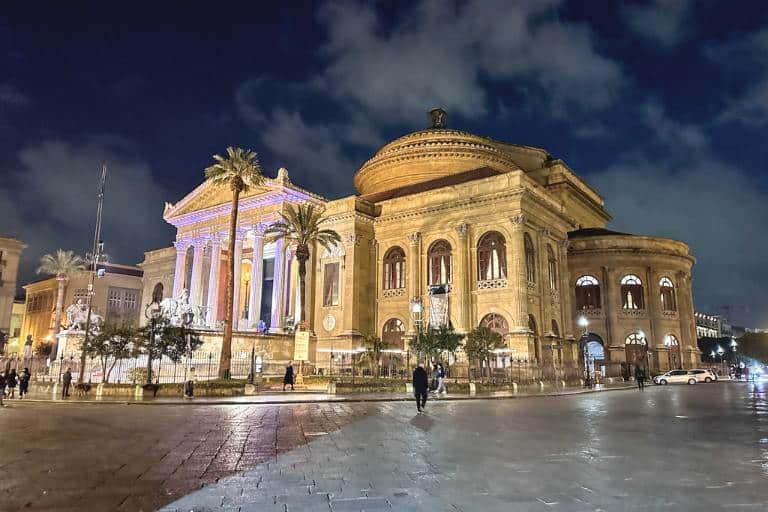
One of the largest opera houses in Europe, the Teatro Massimo is an impressive neoclassical building that dominates the piazza in front of it. You can visit on a guided tour even if you’re not attending a performance. Opera fans should check the schedule in advance. Fun fact: the closing scene of The Godfather: Part III was filmed here.
Teatro Politeama Garibaldi
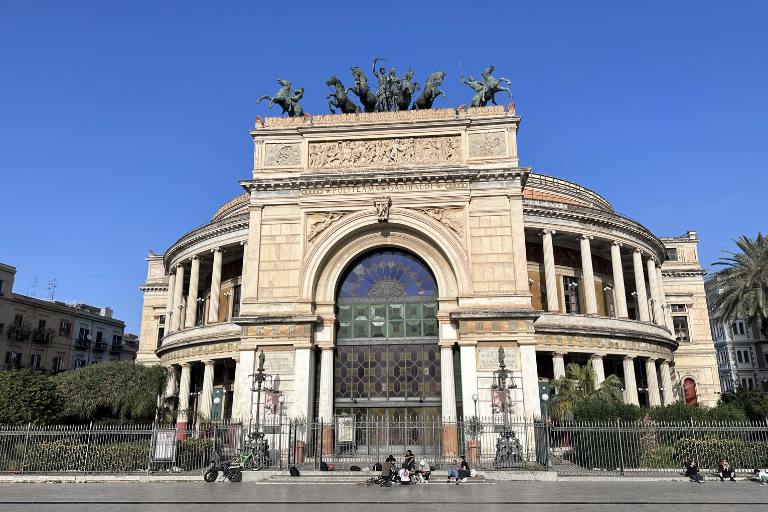
If you have time and want to elevate your visit, make sure to check out the performance schedule at this spectacular theatre. The building itself is a spectacular example of neoclassical architecture and is home to the Orchestra Sinfonica Sciliana. It’s not far from Teatro Massimo.
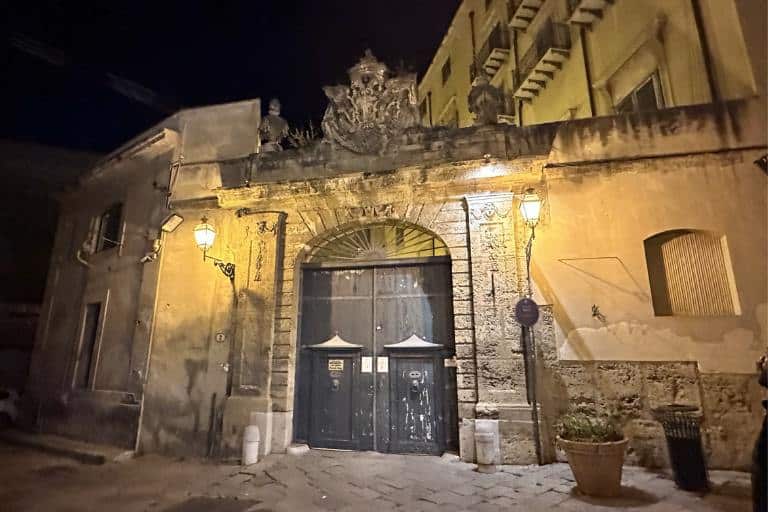
Palazzo Mirto
One of the few noble residences in Palermo that still retains its original furnishings. Palazzo Mirto gives a genuine sense of how the Sicilian aristocracy lived from the 17th to the early 20th century. Quieter and less visited than the bigger landmarks, which makes it a nice change of pace.
NOTE: The museum is temporarily closed for maintenance.
Explore Palermo’s museums
Museums are a great way to see history, and there are many of them to choose from when you plan your list of things to do in Palermo. There is no shortage of places to discover.
All the cultures that made Sicily home left behind a lot of art and artifacts. Palermo’s museums are a wonderful blend of the ancient, modern and everything in between. Here are just a few of them worth adding to your itinerary.
Palazzo Bonocore
Palazzo Bonocore is a 16th-century palace right on Piazza Pretoria, with balconies overlooking the famous Fountain of Shame. The current interactive exhibition takes you through Palermo’s Belle Époque, tracing the wealthy and influential families who shaped the city.
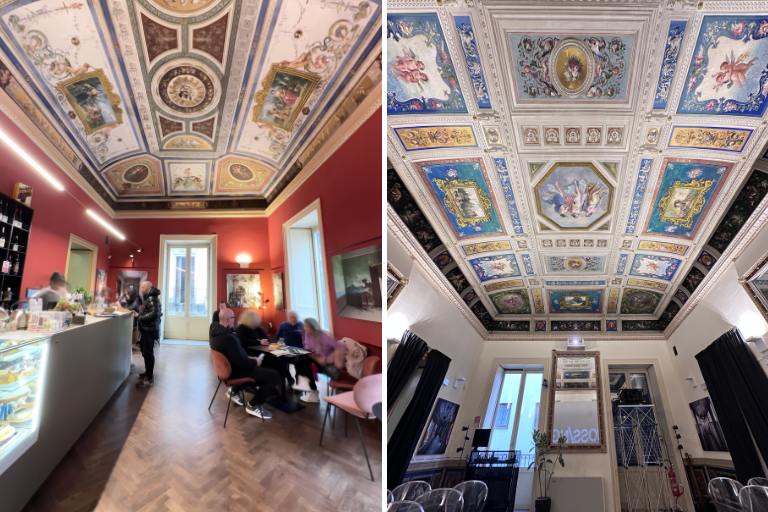
Don’t miss the on-site cafe, a lovely spot to stop for coffee with a view of the fountain. Spots fill up fast, but you can still admire the fountain from one of the windows.
Galleria Regionale della Sicilia
Housed in the 15th-century Palazzo Abatellis, this is one of Palermo’s best art museums. It focuses on Sicilian artists from the Middle Ages through to the 18th century. The 15th-century Catalan Gothic-style building itself is worth the visit. Get your tickets on site or check out the official website for more info.
Museo Archeologico Regionale Antonio Salinas
Set in a former Renaissance monastery, this museum holds Sicily’s finest collection of Greek and Roman artifacts. Highlights include original friezes from the temples at Selinunte, Etruscan mirrors and the world’s largest collection of ancient anchors. Get your ticket in advance, especially if you’re coming during high season.
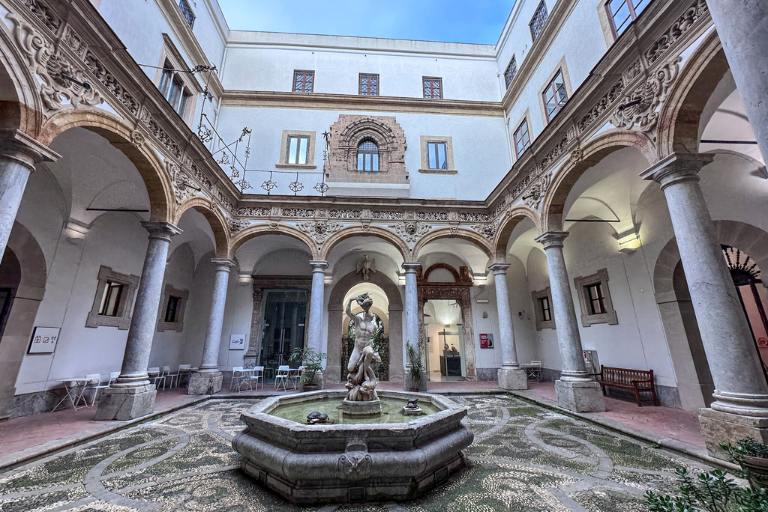
Museo delle Maioliche (Museum of Tiles)
A private collection of around 5,000 hand-painted tiles from Sicily and Naples, spanning the 15th to 20th centuries. Displayed in a restored 16th-century palazzo, it’s a quiet and underrated stop. Check out the official site for more info and directions.
Museo Internazionale delle Marionette (Museum Pasqualino)
Home to over 3,500 marionettes, puppets and shadow figures from Italy and around the world. It’s a good option for families, with occasional puppet shows on the schedule. Get your tickets online.
Sicilian food you need to try in Palermo
Palermo is one of the best eating cities in Italy. Sicilian cuisine draws on centuries of Arab, Norman and Spanish influence, and you’ll taste all of it in the local dishes. Don’t leave without trying these:
- Arancini: fried rice balls stuffed with ragù or cheese. You’ll find them everywhere, from street stalls to bakeries.
- Panelle: chickpea fritters served in a soft roll. A classic Palermo street food.
- Caponata: a sweet and sour eggplant dish, usually served as a side or starter.
- Pasta alla Norma: pasta with tomato sauce, fried eggplant and ricotta salata. A Sicilian staple.
- Cannoli: crispy pastry tubes filled with sweet ricotta cream. The ones in Sicily are better than anywhere else.
- Cassata: a rich sponge cake layered with ricotta, marzipan and candied fruit. Worth trying at least once.
Stroll Palermo’s street markets
Palermo’s markets are loud, chaotic and full of great food. They’re one of the best free things to do in the city and a genuine window into daily life here.
Get the scoop about the La Vucciria market from a local.
- Ballaro Market: This is Palermo’s largest and arguably most famous market. It’s a maze of narrow streets overflowing with fresh produce, local crafts, clothing, and household goods. Ballarò is a feast for the senses, with the sights of colourful stalls, the sounds of vendors calling out their wares, and the intoxicating smells of sizzling sausages, spices, and freshly baked bread.
- Mercato del Capo: This market is a haven for foodies, with vendors specializing in fresh fish, local cheeses, cured meats, and seasonal fruits and vegetables. It’s a great place to sample some Sicilian delicacies like arancini (fried rice balls) and cannoli (pastry shells filled with ricotta cream). Mercato del Capo is slightly smaller and more relaxed than Ballarò.
- La Vucciria: Once the heart of Palermo’s fish market, La Vucciria has become a more trendy spot in recent years. While you can still find fresh seafood here, stalls also sell local street food, souvenirs, and clothing. La Vucciria comes alive at night, with many bars and restaurants spilling onto the street.
How to get to Palermo?
As Italy’s largest island, Sicily is well-connected to the rest of the country and to major European cities. You can fly directly to Palermo International Airport (PMO), which is about 32 km west of the city, or to Trapani Airport, with a bus transfer to Palermo.
By car: We love a good road trip, and if you’re looking for an epic adventure, a Sicily road trip should be on your list. You can rent a car and either start or end your trip in Palermo.
By ferry:
The Port of Palermo is connected by ferry to major Italian ports, including Genoa, Civitàvecchia, Naples, Valletta (Malta) and Cagliari (Sardinia).
By train:
You can reach Palermo by train, coming from Rome or Naples, via the train ferry across the Strait of Messina.
Check out options for getting to Palermo from the airport.
Where to stay in Palermo for first-time visitors
For a first visit, the best base is the Centro Storico, which covers four historic districts and puts you within walking distance of most major sights. Here’s a breakdown of each area to help you choose.
Kalsa (my top choice)
The most atmospheric part of the old town, with historic palazzos, pretty piazzas, galleries, boutiques and plenty of cafes and bars. It’s the most visually striking of the four districts and has a creative, laid-back energy. A great all-round base for first-time visitors.
Il Capo
The best choice for food lovers. You’re right next to the Mercato del Capo and surrounded by some of the city’s best street food stalls and local restaurants.
Albergheria
The most lived-in of the four districts, centred around the Ballarò market. It’s noisier and grittier than Kalsa but gives you a more authentic feel for daily life in the city. Well placed for the Norman Palace and the Cathedral.
Politeama
A good option if you want something slightly removed from the chaos of the old town. Wider boulevards, easier parking and a calmer atmosphere, but still walkable to the main sights.
Libertà
Worth considering if you appreciate architecture. The area around Viale della Libertà has some of Palermo’s finest Liberty and Belle Époque buildings, along with good restaurants, cafes and shops. A quieter, more elegant alternative to the historic centre.