Italy is a popular destination for history buffs, art lovers and foodies. However, with 25 national parks in Italy, it’s also an ideal place for outdoor and nature lovers looking for their next outdoor adventure.
- Italy’s national parks offer diverse landscapes—from alpine peaks and volcanoes to coasts and ancient forests—ideal for all outdoor activities.
- Many parks blend nature with local life and culture; no general entrance fees, with UNESCO sites and geoparks among them.
- Best visited spring–fall for hiking; rent a car for flexibility, bring proper gear, and follow park etiquette for safety and conservation.
From rugged mountain hikes to adrenaline-pumping outdoor sports, Italy’s national parks cater to every kind of explorer. Here are my picks for the top 13 parks you can explore on your next trip.
Overview of the national parks in Italy
Italy’s national parks are some of the most beautiful places in the world. Here, you’ll find dense forests, a wide assortment of wildlife, snowy mountain ranges and crystal-clear lakes that will make you look at Italy in a different way.
Fun fact: Unlike many parks in other countries, national parks in Italy generally do not have entrance fees. Five of them are UNESCO World Heritage Sites, and two are UNESCO Global Geoparks.
Unlike the national parks in North America, Italian national parks don’t require special entry fees. You’ll find people living and doing business in national parks, as many were created after people settled there. The parks are part of the country’s economic activity, blending gastronomy, culture and the outdoors.
Quick comparison guide
| Park Name | Region | Area Size | Best For | Best Season | Difficulty |
|---|---|---|---|---|---|
| Gran Paradiso | Valle d’Aosta, Piedmont | 700 km² | Wildlife, Alpine hiking | June-September | Moderate to Hard |
| Cinque Terre | Liguria | 39 km² | Coastal trails, villages | April-May, Sept-Oct | Easy to Moderate |
| Asinara | Sardinia | 270 km² | Beaches, history | May-October | Easy |
| Cilento | Campania | 1,810 km² | Archaeology, beaches | April-October | Easy to Moderate |
| Dolomiti Bellunesi | Veneto | 32 km² | Mountain sports, photography | June-Sept, Dec-March | Moderate to Hard |
| Gargano | Puglia | 1,211 km² | Forests, coastline | May-June, September | Easy to Moderate |
| Gran Sasso | Abruzzo, Marche, Lazio | 1,413 km² | Hiking, skiing | June-Sept, Dec-March | Moderate to Hard |
| Pollino | Basilicata, Calabria | 1,926 km² | Wilderness, ancient forests | May-October | Moderate |
| Stelvio | Lombardy, Trentino-Alto Adige | 1,307 km² | Scenic drives, skiing | June-Sept, Dec-March | Moderate to Hard |
| Val Grande | Piedmont | 146 km² | Wilderness trekking | June-September | Hard |
| Abruzzo, Lazio & Molise | Abruzzo, Lazio, Molise | 507 km² | Bear watching, wildlife | May-October | Easy to Moderate |
| Majella | Abruzzo | 704 km² | Hermitages, hiking | May-October | Moderate |
| Etna | Sicily | 581 km² | Volcano hiking, skiing | April-October, Dec-March | Moderate |
Outdoor activities you might like
- Spend a day in the Italian Alps – book your tour now
- Alpine Wonders Lunch at Diavolezza and Bernina Train – book your spot today
- Swiss Alps Bernina Red train and St.Moritz tour from Milan – get your tickets
1. Parco nazionale del Gran Paradiso (Gran Paradiso National Park)
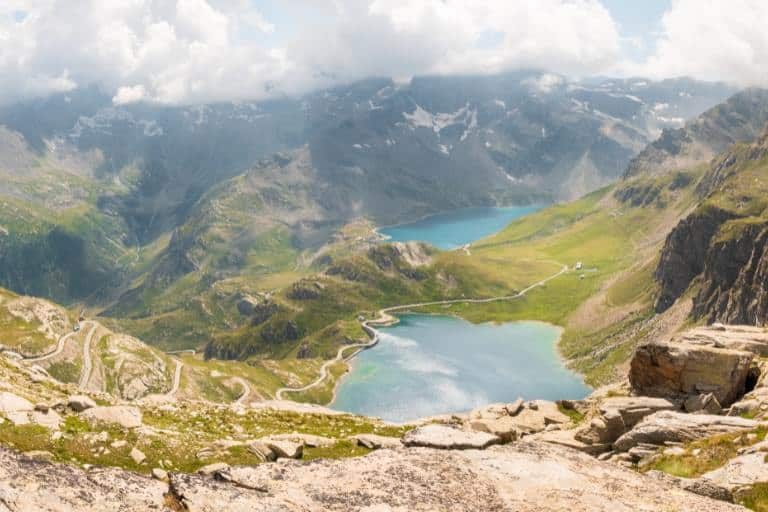
The Gran Paradiso National Park is in the Graian Alps of Italy, between the Aosta Valley Region and Piedmont. Some of the land here once belonged to King Victor Emmanuel II and was his personal hunting ground. King Victor Emmanuel III donated his grandfather’s land in 1920, thereby establishing Gran Paradiso as Italy’s first and oldest national park.
Location: Valle d’Aosta and Piedmont
Area: 700 km² (270 sq mi)
Elevation: 4,061 m (13,323 ft)
The alpine meadows, snowy slopes, glaciers and sweeping panoramas are home to various wildlife, including ibex, Italy’s weasel, Eurasian badger, alpine chamois and numerous bird species.
What to see and do
The park’s stunning landscapes are ideal for outdoor activities, sports, cultural experiences and wellness escapes. Summer brings excellent hiking opportunities, winding trails leading through flower-filled meadows and past cascading waterfalls. Winter transforms the park into a snow sports paradise for cross-country skiing and snowshoeing.
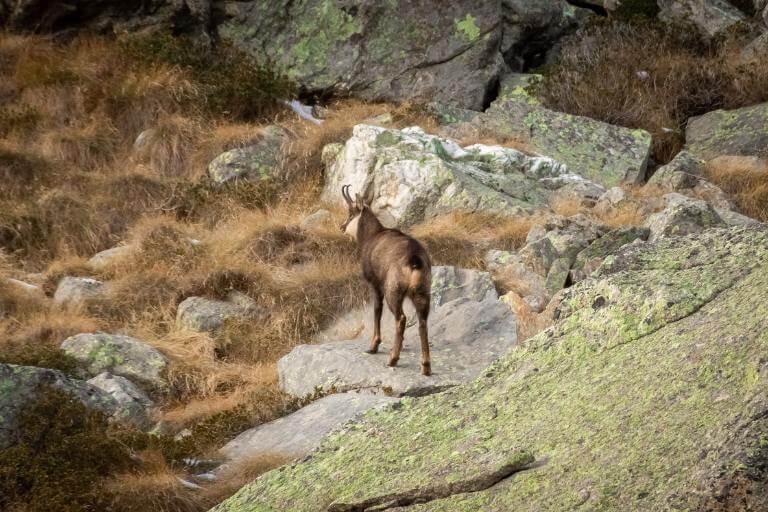
The town of Cogne serves as the main gateway to the park, offering accommodations and a starting point for many trails. You can spot ibex quite easily, especially in the Valnontey valley. The Giardino Alpino Paradisia botanical garden showcases the park’s unique alpine flora.
How to get there
From Turin, drive about 90 minutes to Cogne. You can also take a train to Aosta, then a bus to Cogne. The park has parking centers in Cogne, Valsavarenche and Rhêmes-Notre-Dame.
2. Parco Nazionale delle Cinque Terre (Cinque Terre National Park)
Cinque Terre National Park has the distinction of being the most visited national park in Italy and one of the smallest. This UNESCO World Heritage Site is home to five colourful fishing villages perched on dramatic cliffs overlooking the Ligurian Sea.
Location: Liguria
Area: 39 km² (15 sq mi)
Elevation: 800 m (2,625 ft)
Before you go: Plan your hiking adventure by downloading the different trail itineraries from each town
What to see and do
The Sentiero Azzurro (Blue Trail) connects all five villages and takes about five to six hours to complete. The villages are well-known for their picturesque settings and attract many visitors, especially in the summer.
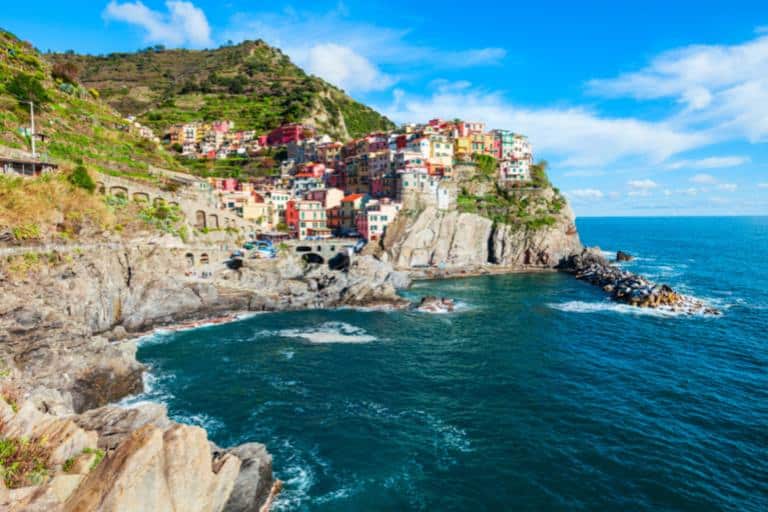
Monterosso is the only Cinque Terre town with a sandy beach. Vernazza features a picturesque harbour that’s perfect for sunset photos. Corniglia sits high on a cliff, reached by climbing 382 steps from the train station.
Manarola is surrounded by vineyards producing the sweet Sciacchetrà wine. Riomaggiore offers a small pebble beach and the start of the Via dell’Amore (although this section remains closed for renovation).
The park is perfect for hiking between villages, swimming in hidden coves, tasting local pesto and focaccia, and exploring terraced vineyards. If you love wine, make sure to visit local wineries to sample Cinque Terre DOC wines.
How to get there
Take a train from La Spezia that connects all five villages, making it easy to access each one. Get the Cinque Terre Card as it includes train access and trail fees. Driving is not recommended as cars are restricted in the villages.
3. Parco Nazionale dell’Asinara (Asinara National Park)
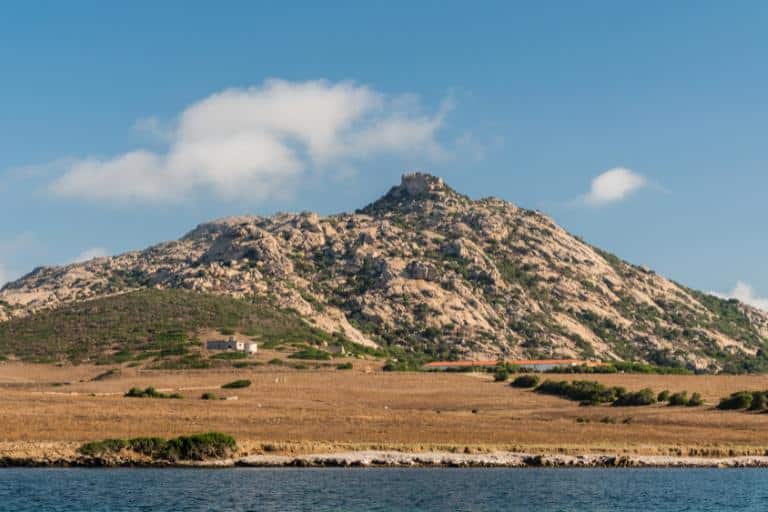
The Asinara National Park is located on the island of Sardinia. Asinara is Sardinia’s second-largest island, named after the albino white donkeys (asini bianchi) that live there. The island, made up of Mediterranean scrub called macchia, has a rocky coastline and sandy beaches. It is a wildlife haven for donkeys and other animals, including the peregrine falcon and silky-haired wild sheep known as mouflon.
Location: Sardinia
Area: 270 km² (104 sq mi)
Elevation: 408 m (1,339 ft)
What to see and do
Today, you can find the remnants of abandoned buildings in the park. If you enjoy outdoor hikes with a mix of history, then this national park is for you. The island is also known for pristine beaches, including Cala d’Oliva and Cala Sabina, so make sure to take advantage of the crystal-clear waters where you can swim and snorkel.
How to get there
Take a ferry to Asinara from Porto Torres and Stintino. You can book guided tours through the park’s official website or at the ports. Day trips typically last four to six hours.
4. Parco Nazionale del Cilento e Vallo di Diano e Alburni (Cilento, Vallo di Diano and Alburni National Park)
Founded in 1991, the Cilento, Vallo di Diano and Alburni National Park is Italy’s second-largest national park. It’s located in the Campania region, in the province of Salerno, and has been designated a UNESCO World Heritage Site.
Stretching across the Cilento peninsula, the park is home to over 1,800 plants, the Alento and Tanagro rivers and several mountain peaks between 1700 and 1800 metres high.
Location: Campania
Area: 1,810 km² (699 sq mi)
Elevation: 1,898 m (6,227 ft)
Like many other national parks in Italy, Cilento is home to historical landmarks and natural wonders. Here, you can explore the ancient Greek temples in Paestum, medieval castles in Sicignano degli Alburni and Postiglione, or the sea caves near Palinuro.
What to see and do
Cilento is an excellent place for hiking and biking. As it lies along the coast, there are numerous beaches and trails to explore. Many coastal towns like Palinuro offer boat excursions to explore nearby beaches and caves.
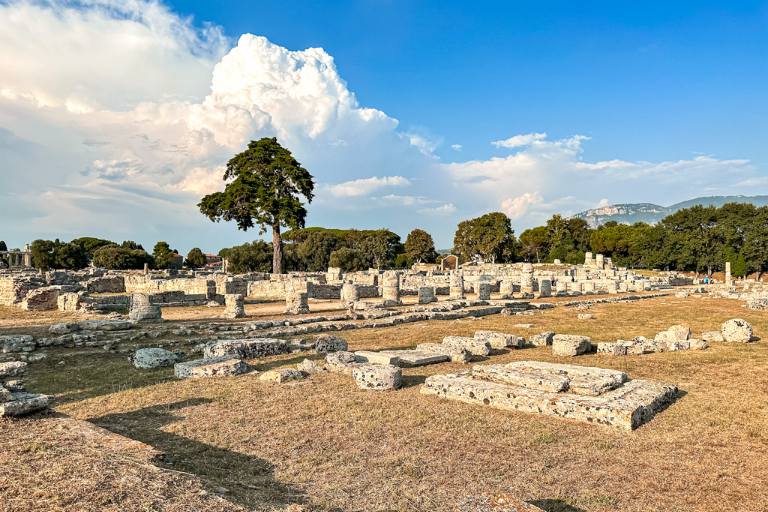
Explore the Charterhouse of San Lorenzo in Padula, Europe’s largest Carthusian monastery, with over 320 rooms and impressive Baroque architecture. The Greek temples at Paestum are among the best-preserved in the world, rivalling those in Greece itself. Definitely a must-see. Cala Bianca beach is considered one of Italy’s most beautiful and is accessible by boat or a challenging hike.
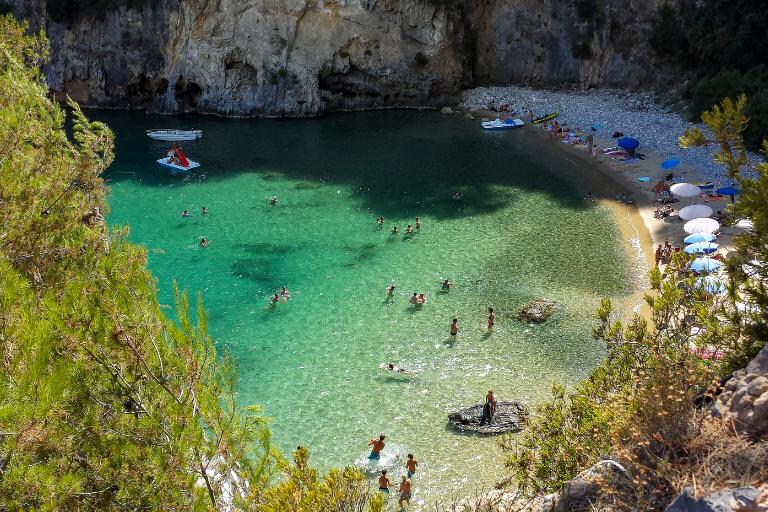
The park offers everything from easy coastal walks to demanding mountain treks. Monte Cervati, the park’s highest peak, offers panoramic views of the Tyrrhenian Sea.
How to get there
The best way to explore this park is by car, as it’s a bit challenging to reach all the points by public transit. Driving also offers the greatest flexibility for exploring the park’s scattered attractions.
5. Parco nazionale delle Dolomiti Bellunesi (Dolomiti Bellunesi National Park)
The stunning Dolomiti Bellunesi National Park sits in the Veneto region. Although it’s Italy’s smallest national park, it’s the perfect place for adventurous travellers seeking outdoor activities in all seasons.
Location: Veneto
Area: 32 km² (12 sq mi)
Elevation: 2,335 m (7,661 ft)
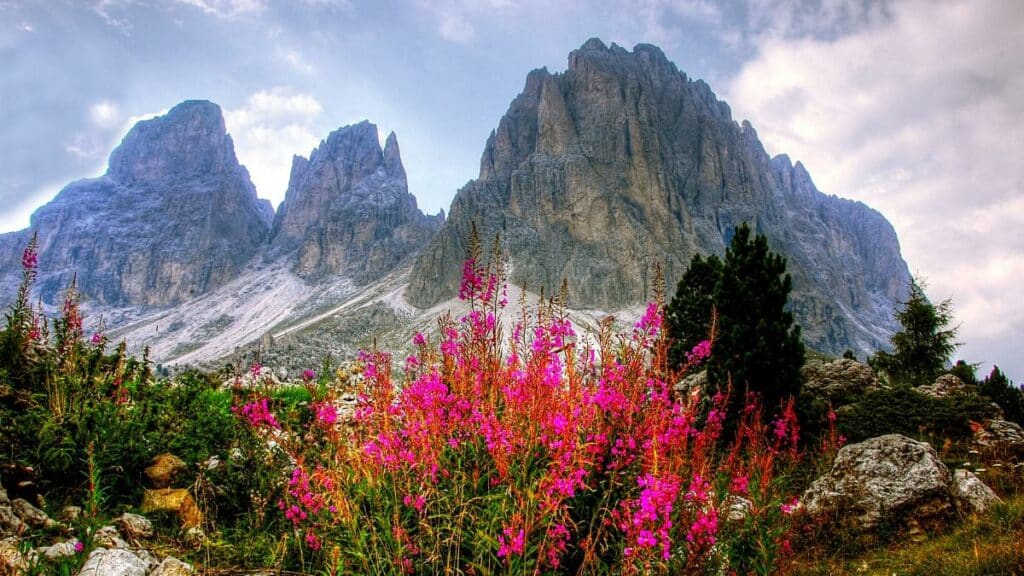
The Dolomites are home to unique fauna and flora. Here, you’ll find distinctively jagged mountains, extensive coniferous and deciduous forests, meadows, rivers and canyons. The park was officially established to protect these extraordinary landscapes and was designated a UNESCO World Heritage Site.
What to see and do
The Dolomites are the perfect place for hiking, biking and winter sports. It is also home to different animals, including golden eagles, deer, marmots, woodpeckers and alpine newts. Each season brings out the stunning beauty of the mountains, which means you won’t be disappointed no matter when you visit.
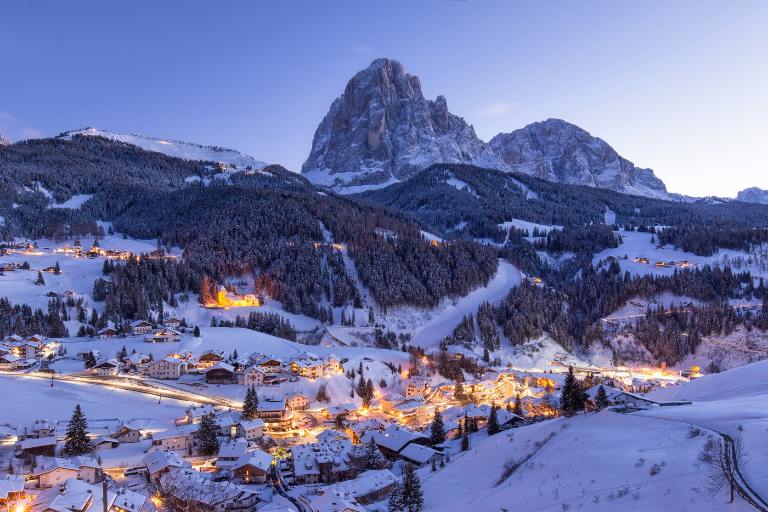
The park is also home to small villages with rich cultures and traditions. It features well-marked hiking trails ranging from family-friendly paths to challenging alpine routes. The Via Ferrata routes offer thrilling climbing experiences with fixed cables and ladders.
How to get there
From Venice, take a train to Belluno (approximately 2 hours) or rent a car and drive. Belluno is the main gateway to the park. There are also many local buses that connect Belluno to various trailheads. Many visitors base themselves in Belluno or in smaller mountain villages like Feltre to explore the Dolomites.
6. Parco Nazionale del Gargano (Gargano National Park)
Gargano National Park is a promontory that extends into the blue waters of the Adriatic Sea. Located in the Puglia region, it’s home to the ancient woodlands of the Foresta Umbra, the Tremiti Islands archipelago, and the wetlands of Lago Salso. The ancient forests, woodlands, rocky coastline and flowery valleys are home to a wide range of wildlife, including woodpeckers and roe deer.
Location: Puglia
Area: 1,211 km² (468 sq mi)
Elevation: 1,065 m (3,494 ft)
What to see and do
Gargano has excellent hiking, biking and running trails that are suitable for all fitness levels. It’s a great place to immerse yourself in the region’s cultural heritage by visiting historic villages where fishers still use the old wooden fishing platforms jutting into the sea. Who knows, you might even see your dinner being fished out of the water.
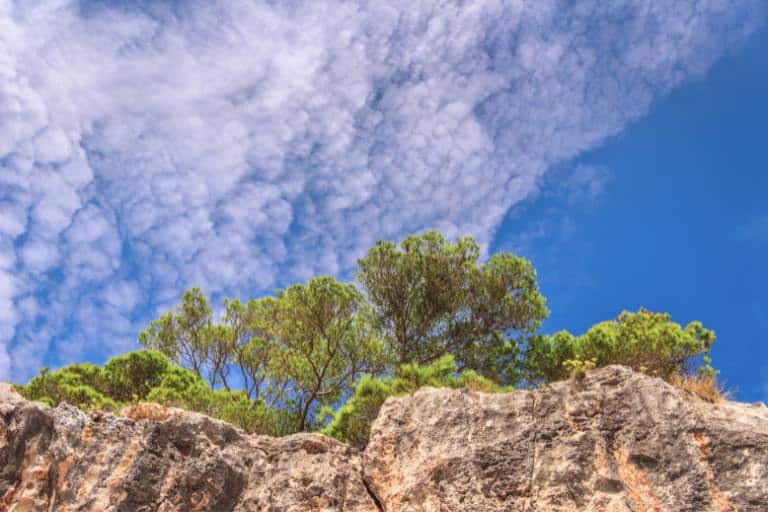
Here you can explore the ancient Beech Foresta Umbra, which reaches 800 metres in elevation, offering cool respite during hot summer months. The religious centre of Monte Sant’Angelo, perched at 800 meters, is home to a UNESCO World Heritage sanctuary where the Archangel Michael supposedly appeared.
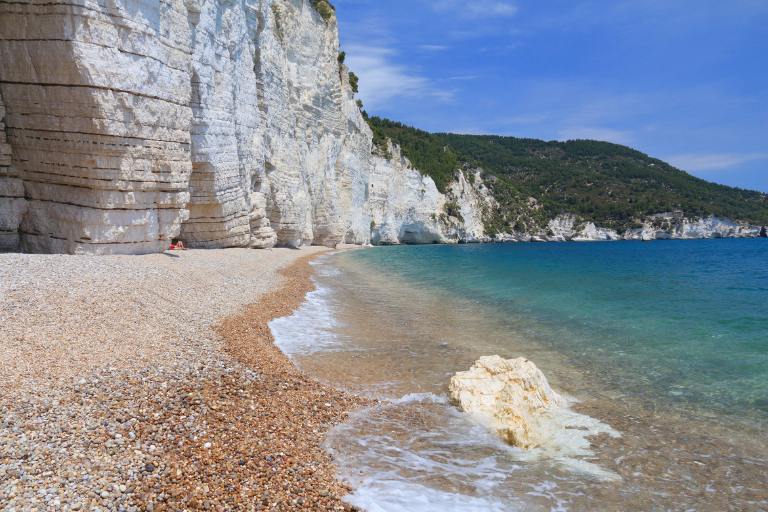
The coastal section is where you’ll find dramatic white cliffs plunging into turquoise waters. You can even spot the traditional trabucchi fishing platforms along the coastline, many of which have been converted into seafood restaurants where you can dine on fresh catch. The Tremiti Islands are accessible by ferry and offer pristine beaches and excellent diving.
How to get there
Fly or take a train to Foggia, then buses connect to park destinations. For the coast, head to Vieste or Peschici. For the forest, aim for towns near Foresta Umbra. I recommend renting a car for exploring the park’s diverse areas.
7. Parco Nazionale del Gran Sasso e Monti della Laga (Gran Sasso National Park)
The predominantly mountainous Gran Sasso National Park lies predominantly in the Abruzzo region. It encompasses the Monti della Laga mountain range, the Calderone glacier and its most prominent peak, the Gran Sasso.
Location: Marche, Abruzzo, Lazio
Area: 1,413 km² (546 sq mi)
Elevation: 2,912 m (9,554 ft)
The park is one of Europe’s largest protected areas and one of the continent’s most biologically diverse areas. With alpine pastures and lakes, it’s one of the most beautiful national parks in Italy.
What to see and do
With over 300 km (190 miles) of trails, Gran Sasso is great for outdoor activities such as hiking, horseback riding, mountain biking, canoeing and skiing. The park’s biodiversity, stunning views and an assortment of castles, abbeys and medieval hamlets make it an excellent place for exploration.
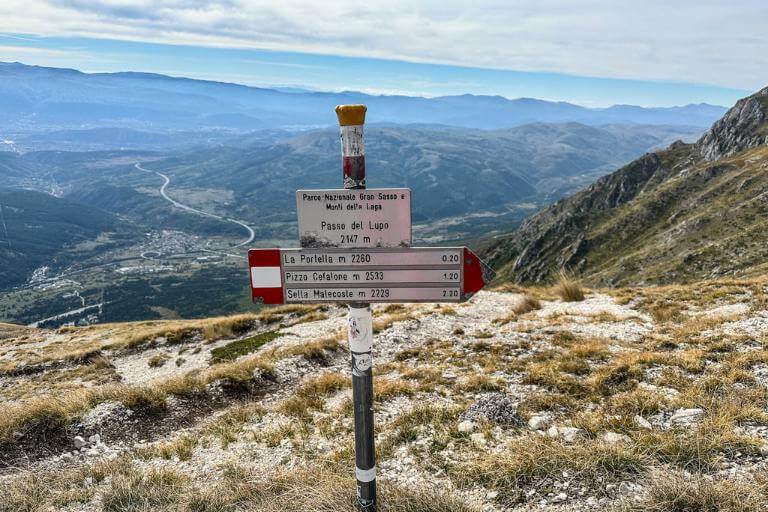
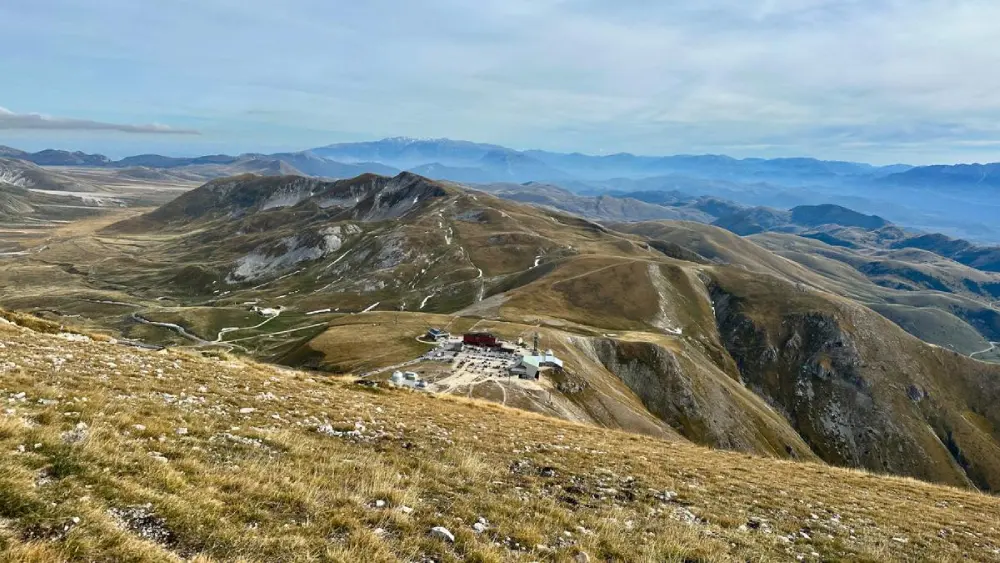
Campo Imperatore is a vast, high-altitude plateau known as “Little Tibet” for its sweeping landscapes. It’s a popular starting spot for hiking in summer and skiing in winter. The Calderone Glacier is Europe’s southernmost glacier, though it’s rapidly shrinking due to climate change.
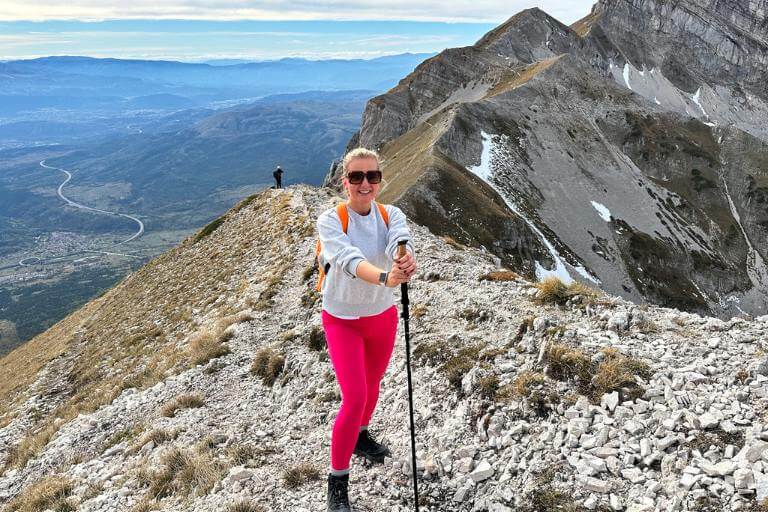
Rocca Calascio, at 1,460 meters, is one of Italy’s highest fortresses and offers stunning panoramic views. The ancient ruins of Amiternum feature Roman theatres and amphitheatres. Wild wolves, Marsican brown bears and chamois inhabit the park’s remote areas.
With over 300 km (190 miles) of trails, Gran Sasso is great for outdoor activities such as hiking, horseback riding, mountain biking, canoeing, and skiing. The park’s biodiversity, stunning views, and an assortment of castles, abbeys, and medieval hamlets make it an excellent place for exploration.
How to get there
The best way to explore Gran Sasso is by car or on a tour. You can stay in L’Aquila and drive to Campo Imperatore, or take the cable car from Fonte Cerreto.
8. Parco Nazionale del Pollino (Pollino National Park)
The largest national park in Italy, Pollino National Park, spans the regions of Basilicata to the north and Calabria to the south. The park is home to some of southern Italy’s highest peaks, including Serra Dolcedorme, which rises to 2,267 metres above sea level.
Location: Basilicata, Calabria
Area: 1,926 km² (744 sq mi)
Elevation: 2,267 m (7,438 ft)
The park is home to ancient forests, river canyons, streams, mountains, alpine meadows and valleys. While it offers stunning panoramas, numerous hiking trails and other outdoor activities, it’s not widely visited. If you want to experience Italy’s natural beauty without worrying about crowds, this park is for you.
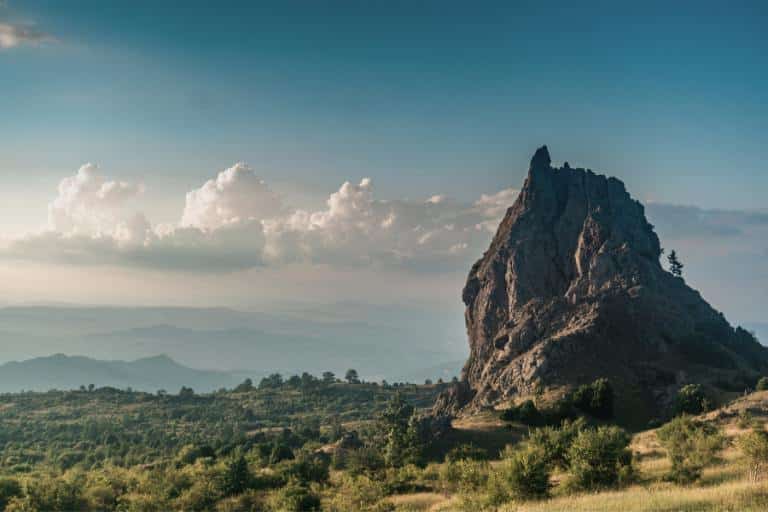
The park is home to ancient forests, river canyons, streams, mountains, alpine meadows, and valleys. While it offers stunning panoramas, numerous hiking trails, and other outdoor activities, it’s not widely visited. If you want to experience Italy’s natural beauty without worrying about crowds, this park is for you.
What to see and do
Pollino is home to ancient Bosnian pine trees, some over 1,000 years old, called “warrior trees” for their gnarled, twisted trunks. The Raganello Gorges offer thrilling canyoning and river rafting experiences through deep limestone gorges. So, if you’re into outdoor adventures, consider adding Pollino to your itinerary.
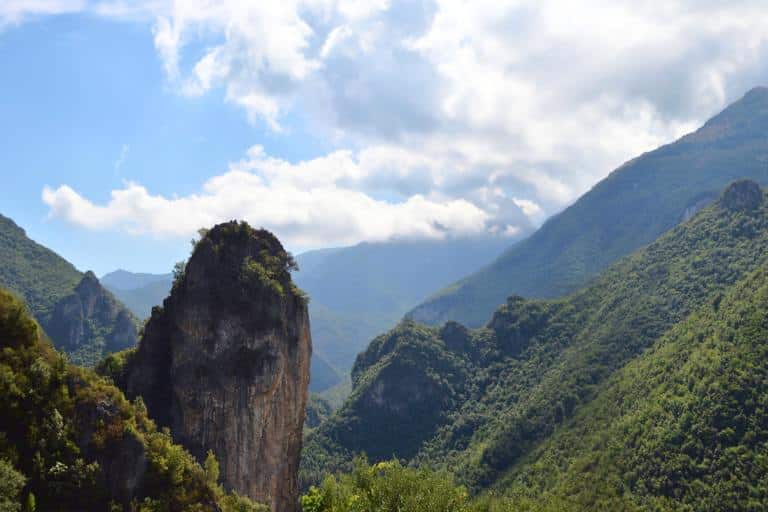
The park protects the traditions of the Arbëreshë communities, Albanian-speaking people who settled here in the 15th century. Villages like San Paolo Albanese maintain unique language, customs and cuisine.
Wildlife includes wolves, wild cats, otters and numerous birds of prey. The park offers activities for all levels, from gentle valley walks to challenging mountain ascents. The Pollino massif provides excellent trekking, while lower elevations offer easier trails through ancient forests.
How to get there
You can take a train from Naples or Salerno to Calabria. The towns of Rotonda and Viggianello serve as gateways and make great bases for exploring. While buses connect major towns to park entrances, a rental car will offer you more flexibility.
9. Parco Nazionale dello Stelvio (Stelvio National Park)
Stelvio National Park spans the Central Alps across the Trentino-Alto Adige and Lombardy regions. It borders Switzerland’s Parco Nazionale Svizzero. Its majestic mountains, valleys, green grasslands, glacier springs and dense forests are home to rare animal and plant species that flourish in this unique ecosystem.
Location: Lombardy, Trentino-Alto Adige
Area: 1,307 km² (505 sq mi)
Elevation: 3,905 m (12,812 ft)
What to see and do
Here you will find Alpine villages and mountain farms, with breathtaking views in the valleys and on the mountain slopes. Stelvio is an outdoor lover’s paradise, offering a variety of activities year-round.
You can also drive the Stelvio Pass road as it navigates between the park’s highest peaks with endless hairpin turns and steep inclines. The pass, at 2,758 meters, is one of the highest paved mountain passes in the Alps and was named the world’s best driving road by Top Gear.
There are over 250 km of marked hiking trails through conifer forests and alpine meadows. In winter, it’s a skiing destination with resorts like Bormio and Sulden. The park’s network of rifugi (mountain huts) provides overnight accommodation if you plan for multi-day treks.
How to get there
From Milan, drive to Bormio (3 hours) or take a train to Tirano, then a bus to Bormio. There are buses from Bolzano to various park entrances, but you can also rent a car for a more personalized experience. Keep in mind that the Stelvio Pass road is typically open from June through October, weather permitting.
10. Parco Nazionale della Val Grande (Val Grande National Park)
The Val Grande National Park, located on the Swiss border in the Piedmont region, is Italy’s largest wilderness area. The area was heavily used for timber production as far back as the 15th century. It all ended after World War II, making way for conservation efforts to protect the area.
Location: Piedmont
Area: 146 km² (56 sq mi)
Elevation: 2,295 m (7,530 ft)
What to see and do
Today, the park is notable for dense woods, snow-capped mountains, canyons, valleys and ravines. Here you can spot roe deer, wild boars, wolves, foxes and golden eagles. The park lies in the drainage basin of the Po River, and its two valleys, the Val Grande and Val Pogallo, feed the rivers that flow into Lake Maggiore.
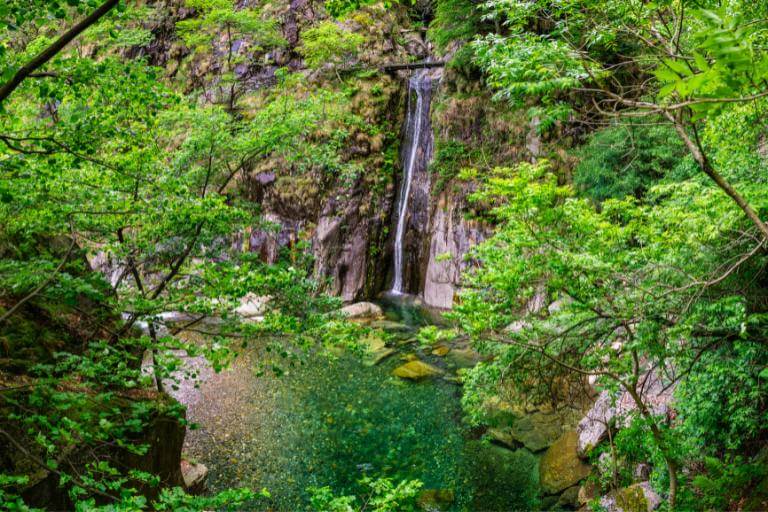
This is one of Italy’s most remote and untouched wilderness areas. There are no paved roads within the park, and some areas are accessible only to experienced hikers with proper equipment. If you’re looking for a true wilderness experience, solitude and unspoiled nature, then this is the park for you.
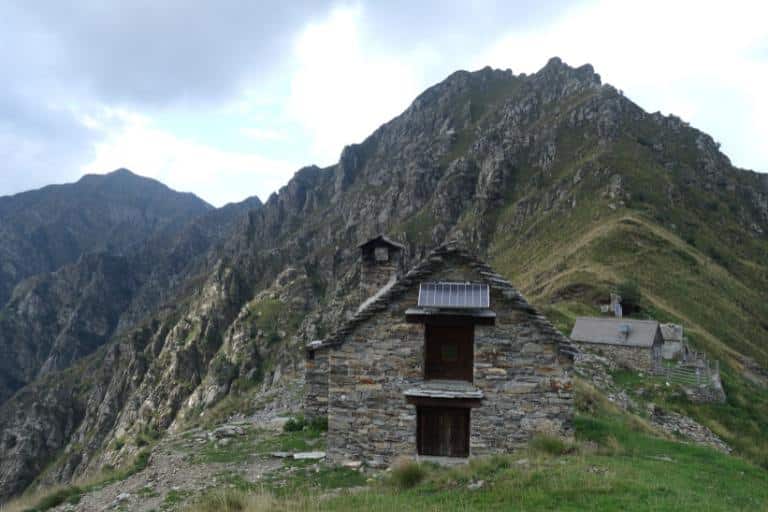
Several marked trails provide access to the park’s interior, ranging from day hikes to multi-day treks. The valley floors feature remnants of abandoned mountain villages, slowly being reclaimed by nature. The park is best suited for experienced hikers due to its rugged terrain and remote location.
How to get there
From Milan, take a train to Verbania or Domodossola (1.5-2 hours). Local buses connect to trailheads at park entrances. The main access points are from Cicogna, Intragna and Malesco. Plan carefully as facilities within the park are limited.
11. Abruzzo, Lazio and Molise National Park
The Abruzzo, Lazio and Molise National Park is one of Italy’s oldest national parks, established in 1923. Located in the heart of Abruzzo, it’s a world of verdant Apennine peaks, lush pastureland and thick woods populated by wolves, Marsican brown bears and chamois.
Location: Abruzzo, Lazio, Molise
Area: 507 km² (196 sq mi)
Elevation: 2,285 m (7,497 ft)
The park is critical for protecting some of Italy’s most endangered species. There are only about 50-60 Marsican brown bears left in the wild, and most live here. The park’s conservation efforts have helped bring this subspecies back from the brink of extinction.
What to see and do
The main town is Pescasseroli, from where you can strike out in all directions. There are plenty of walking trails, ranging from easy family jaunts to hardcore hikes. Note that some popular trails require a small fee and others can only be accessed with a guide in August.
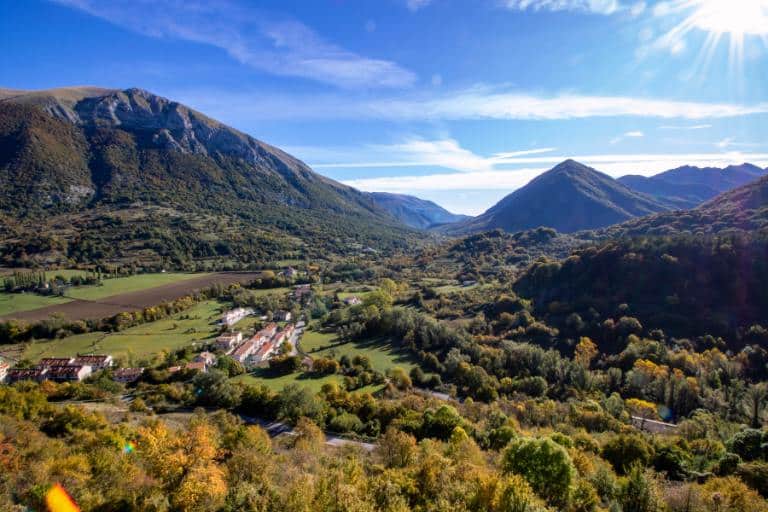
The Val Fondillo is one of the park’s most scenic valleys, with easy walking paths alongside a crystal-clear stream. Ancient beech forests create a cathedral-like atmosphere, and you might spot deer grazing in meadows.
Before you go: Consult the trails map before you go
The park features several visitor centers with exhibits on wildlife and conservation. Pescasseroli has a wildlife museum and a small zoo housing injured animals that cannot be released. The park also offers guided bear-watching excursions led by expert rangers.
How to get there
From Rome, drive to Pescasseroli (2 hours) via the A25 motorway. Buses run from Avezzano train station to Pescasseroli. There are visitor centers in several towns, but the largest and most accessible is in Pescasseroli.
12. Parco Nazionale della Maiella (Majella National Park)
Majella National Park, established in 1991, covers a vast area of the Majella mountain range in Abruzzo. The park is known for its spiritual significance, with dozens of hermitages and monasteries carved into the mountainsides where monks sought solitude for centuries.
Location: Abruzzo
Area: 704 km² (272 sq mi)
Elevation: 2,793 m (9,163 ft)
The park encompasses diverse landscapes from Mediterranean scrubland at lower elevations to alpine environments at the peaks. The highest point, Monte Amaro, reaches 2,793 metres and offers stunning views across central Italy on clear days.
What to see and do
The park is famous for its concentration of hermitages, more than any other area in Italy. The Hermitage of San Bartolomeo in Legio, built into a rock overhang, is one of the most spectacular. You can reach it by a scenic hiking trail that takes about an hour.

The are over 500 km of marked trails for all abilities. The Orfento Valley features dramatic gorges and waterfalls accessible via well-maintained paths. Spring brings spectacular wildflower displays across alpine meadows.
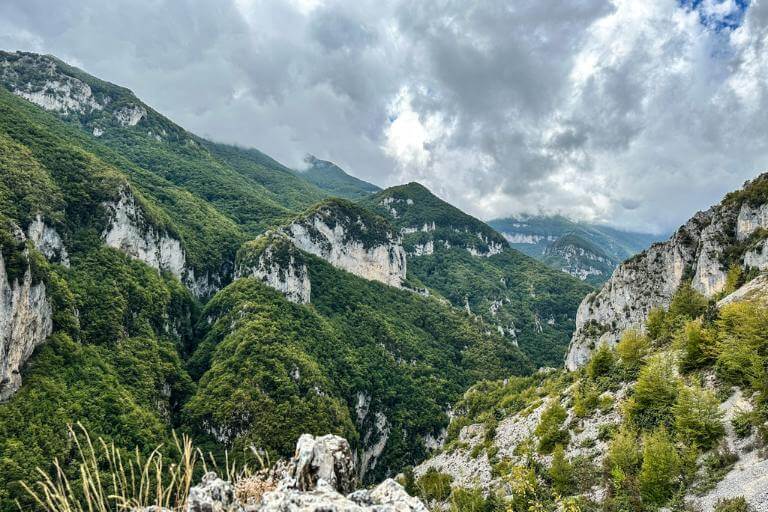
Wildlife includes Marsican brown bears, wolves, chamois and Apennine chamois. The park is also home to over 130 bird species. Winter offers skiing and snowshoeing, with several small ski resorts within park boundaries.
The medieval town of Sulmona, birthplace of the Roman poet Ovid, sits at the park’s edge and makes an excellent base. Don’t miss trying the town’s famous confetti (sugar-coated almonds).
How to get there
From Rome or Pescara, take a train to Sulmona (2-2.5 hours). From Sulmona, local buses reach various park entrances. Getting a car rental offers you the best access to remote trailheads and hermitages.
Parco dell’Etna (Etna National Park)
Etna National Park surrounds Mount Etna, Europe’s highest and most active volcano. The park and the volcano are located on the eastern coast of Sicily near Catania. The park itself was established in 1987 to protect the unique volcanic ecosystem and its geological features. Mount Etna has been erupting for thousands of years, with recorded activity dating back to 1500 BC.
Location: Sicily
Area: 581 km² (224 sq mi)
Elevation: 3,357 m (11,014 ft)
The park’s landscapes change dramatically with elevation, from Mediterranean vegetation and citrus groves at the base to lunar-like volcanic deserts near the summit. The fertile volcanic soil produces some of Sicily’s finest wines, pistachios and honey. In 2013, Mount Etna was designated a UNESCO World Heritage Site for its outstanding geological significance.
What to see and do
The main attraction is exploring the volcano itself. You can drive or take a cable car up to 2,500 meters, then join guided tours with authorized mountain guides to reach the summit craters. The landscape is otherworldly, with black lava fields, smoking fumaroles and dramatic volcanic formations.
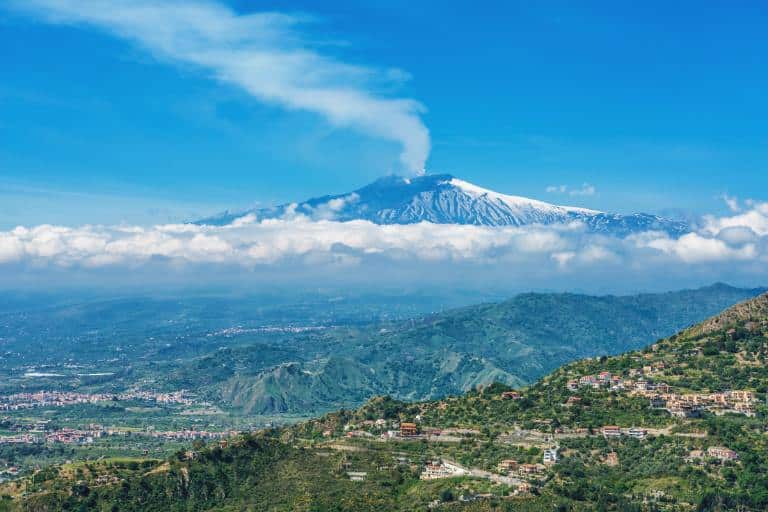
The park offers numerous hiking trails across old lava flows and through pine forests. The Silvestri Craters, formed during the 1892 eruption, are easily accessible and offer stunning views without requiring a summit climb. You can walk around these extinct craters and peer into their depths.
Winter brings snow to the upper slopes, and Etna becomes a popular skiing destination with two ski resorts. You can ski on an active volcano with views of the Mediterranean Sea below.
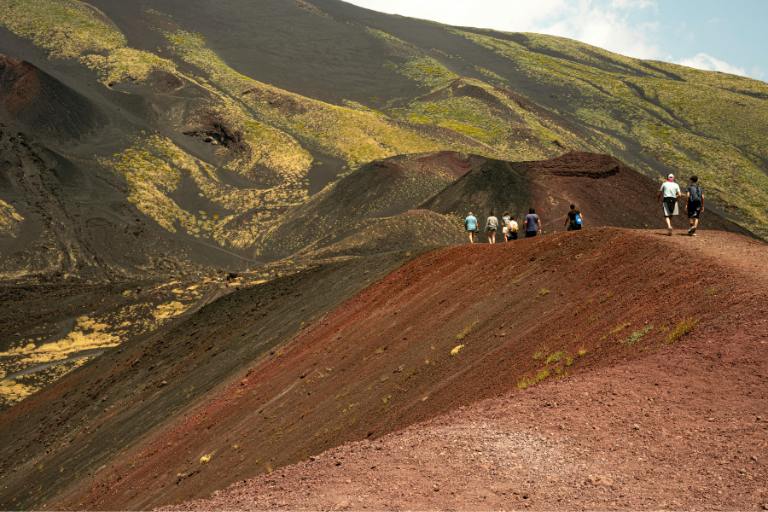
The park is home to unique wildlife adapted to the volcanic environment, including foxes, porcupines and numerous bird species. The vegetation ranges from chestnut and oak forests at lower elevations to hardy plants that survive in volcanic ash at higher altitudes.
Don’t miss visiting the lava caves formed by flowing lava. The Grotta del Gelo contains a permanent ice formation, while other caves offer opportunities for spelunking adventures. Local wineries around the volcano’s slopes welcome visitors for tastings of wines grown in volcanic soil.
How to get there
From Catania, drive to Rifugio Sapienza on the south side (1 hour) or Piano Provenzana on the north side (1.5 hours). The AST bus company runs services from Catania to Rifugio Sapienza. The Circumetnea railway circles the volcano’s base, offering scenic views and access to various towns. Book summit tours in advance through authorized guides, as conditions can change frequently due to volcanic activity.
Best time to visit Italy’s national parks
The ideal time depends on which park you’re visiting and what activities you want to do. Generally, the best periods are:
- Spring (April-June): Perfect for most parks. Wildflowers bloom, temperatures are mild and crowds are smaller. Mountain parks may still have snow at higher elevations in April and May.
- Summer (July-August): Great for high-altitude parks like Gran Paradiso and Stelvio, where snow has melted and all trails are accessible. Coastal parks like Cinque Terre can be crowded. Alpine parks offer respite from summer heat.
- Fall (September-October): Excellent for hiking with cooler temperatures and fall colours. September is ideal for avoiding crowds while still enjoying good weather.
- Winter (December-March): Best for winter sports in mountain parks. Many high-altitude trails are inaccessible, but skiing, snowshoeing and winter hiking offer different perspectives.
Getting around
While public transportation serves major park entrances, renting a car gives you the most flexibility, especially for large parks like Pollino, Cilento and Gran Sasso. Trains connect to many park gateway towns, with local buses providing further access.
Pro Tip: Use apps like AllTrails, Hiiker, Koomut or GaiaGPS to seach, plan and map out your hikes.
Where to stay
Most national parks in Italy offer various accommodation options, including rifugi (mountain huts), campsites, agriturismi (farm stays), and hotels in nearby towns. Book ahead during peak season, especially for mountain huts along popular trails.
What to pack
- Sturdy hiking boots with good ankle support
- Layered clothing (mountain weather changes quickly)
- Sun protection (hat, sunscreen, sunglasses)
- Plenty of water and snacks
- Map and compass (cell service can be unreliable)
- First aid kit
- Rain gear
Park etiquette
- Stay on marked trails to protect vegetation
- Take all the trash with you
- Don’t feed wildlife
- Keep noise levels down
- Respect private property within park boundaries
- Check if trails require advance booking or guides
Which national parks in Italy should you explore?
As much as I love historic cities and beaches, I love exploring the national parks in Italy. Here you can find amazing landscapes and plenty of outdoor activities that will make you look at Italy in a different way. You can enhance your experience by combining your love of the outdoors with a cultural immersion.
There are 25 national parks in Italy, so you don’t have to travel far to find them. The parks listed here are just a selection of the natural beauty Italy offers visitors. It’s easy to add a stop at a national park to your itinerary, and it’s a chance to experience the Italian countryside and get to know the people who live here.