Before we moved to Italy, we always planned our vacations for the end of August and early September. This allowed us to still enjoy the summer vibe while also benefiting from slightly lower prices. However, as the high season extended past the summer months, even that became less favourable. Having experienced Italy year-round, my thoughts on the best time to visit Italy have shifted.
So, when should you visit Italy? While most people will tell you that either March/April or October/November, I believe that the best times are January to March (and November). It’s not to say that you shouldn’t visit outside that time frame. Here is my advice for planning your trip to Italy and figuring out when to visit.
Tourist seasonality overview
Understanding how the tourism season works will help you decide the best time to visit Italy. While the summer months (June to August) were typically the busiest, that has shifted. Italy is a popular tourist destination, and in the most popular cities, the off-season is no longer what it used to be.
While a trip to Italy can be a good idea any time of the year, the perfect time might not be the same for everyone. When planning your Italy tour, decide what you are looking for. Here is what you can expect during each phase of the tourist season.
High season: May to September
May to September is the peak season for visiting Italy. During these months, expect the biggest crowds and higher prices. The summer months see millions of visitors cramming into major cities and popular destinations.
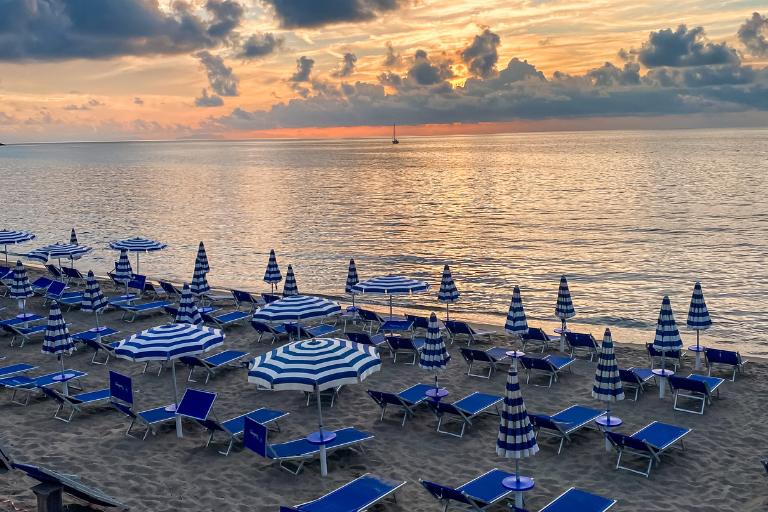
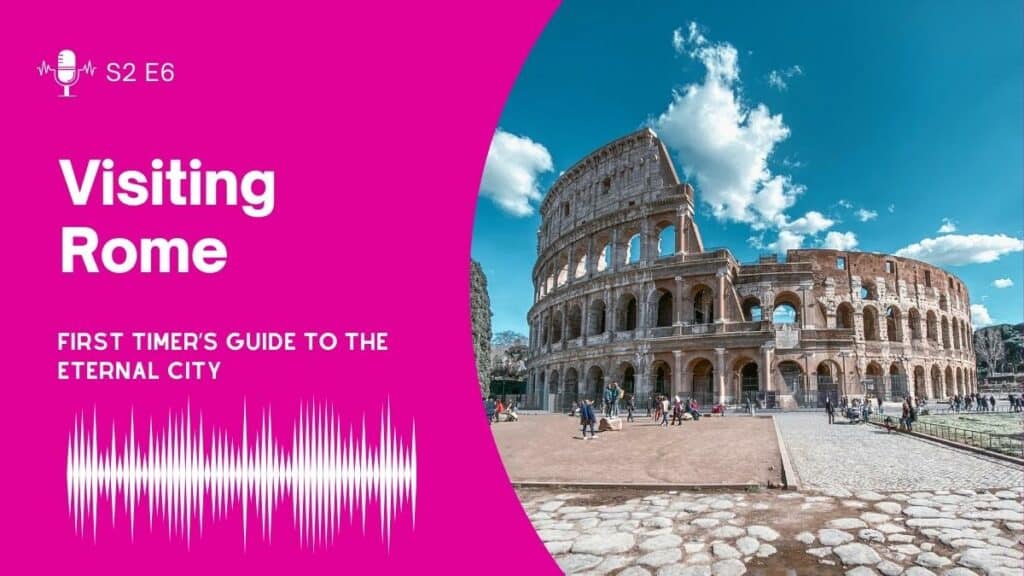
Expect long lines at major attractions, such as the Vatican Museums, and crowded streets in historic cities like Rome. It’s also the busiest time at places like the Amalfi Coast and the Cinque Terre.
Shoulder season: March to April and October to November
Shoulder season offers a middle ground. Early spring and early fall give you decent weather with fewer crowds. Prices drop from summer peaks but stay above winter lows. This time of year is ideal for many travellers as you’re no longer dealing with the unpleasant summer temperatures.
Low season: December to February
The low season is when Italy truly shines. The winter months bring lower prices, fewer tourists, and an opportunity to experience the authentic Italy. Yes, some coastal areas close down, but big cities and historic sites stay open with minimal crowds. Winter in Italy is significantly different in the north compared to the southern part of the country.

Best time to visit Italy by season
Each season offers different experiences across Italian regions. Here’s what to expect when you visit.
Winter
While most people flock here during the busy summer months, the best time to visit Italy might surprise you. The winter months and early spring offer a unique experience that beats fighting crowds at the Trevi Fountain or paying extreme prices for a hotel room.
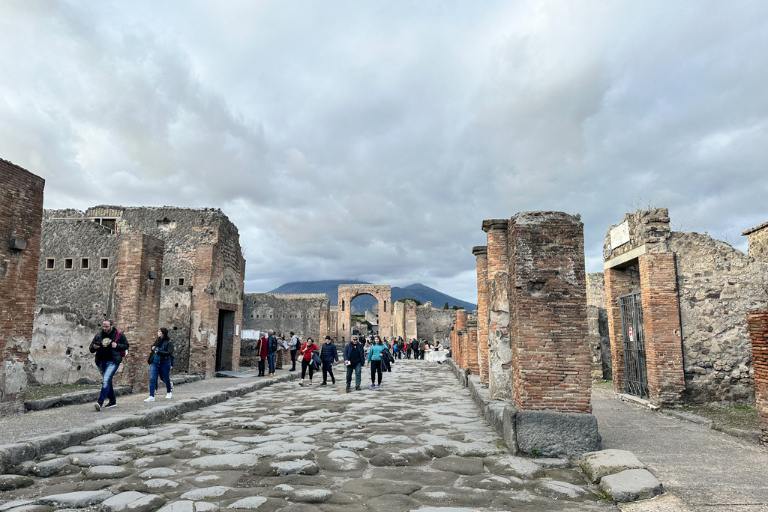
January has become my favourite time to explore Italy. If you’re after snowy outdoor fun and cooler temperatures, head north. The further down you go, the warmer it gets. You also get a lot more sunshine, which is definitely a bonus in winter.
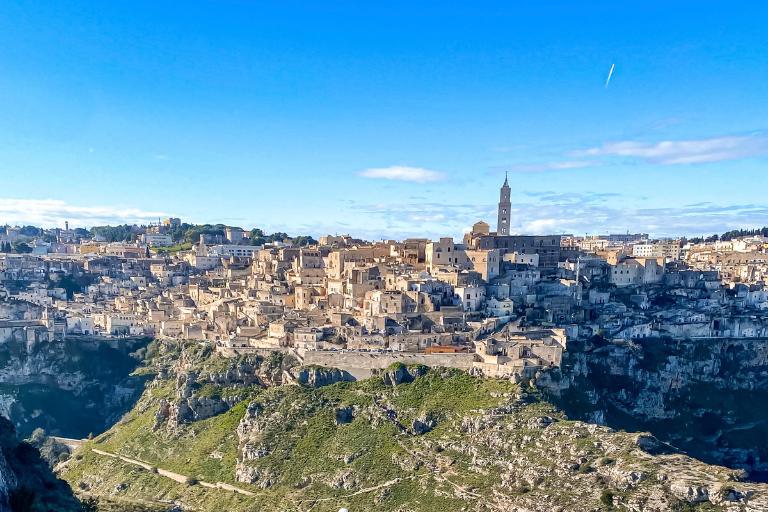
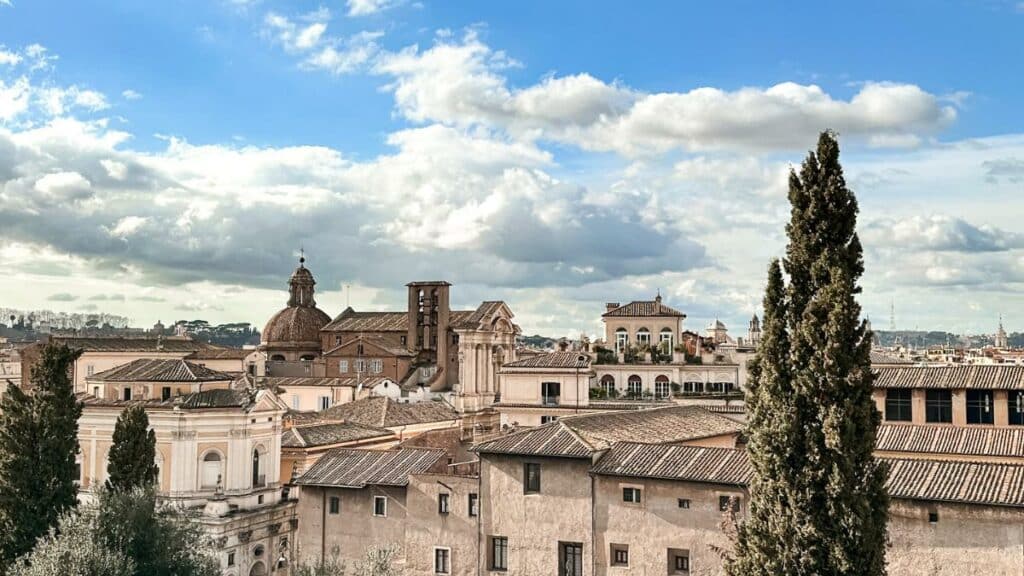
We’ve had a fantastic time hiking in Matera in January. Major Italian cities, such as Naples, Palermo, and Rome, are also more enjoyable, less crowded, and more relaxing during mild weather.
Pros: Lower prices, fewer crowds, great for winter sports, authentic local culture, culinary classes and workshops
Cons: Some coastal towns close, shorter days, winter can also have the wettest months, especially in the northern part of the country and inland
Where to go and what to do:
- Explore Rome without the summer crowds
- Hit the slopes for winter sports at ski resorts in the Dolomites, Alps or Apennine Mountains
- Browse Christmas markets in South Tyrol, Rome or Florence
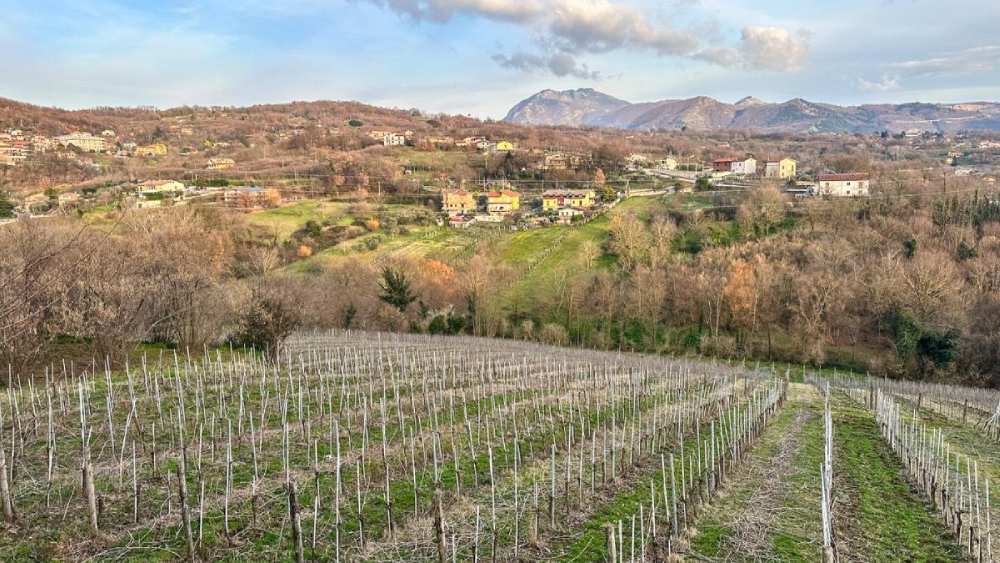
- Tour wine regions during the quiet season
- Experience Mount Etna with fewer tourists
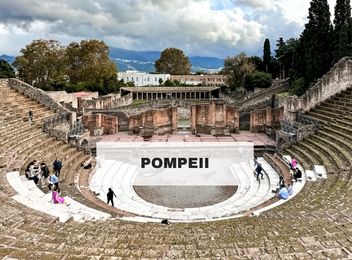
- Visit popular sites like Pompeii with fewer crowds
Spring
The winter in Italy doesn’t last as long as the Canadian winter. This year, it felt like spring in early February, but that’s not always the case. With the arrival of the season come blooms, and all of Italy feels even more magical. You will fall even more in love with parts of Italy you might only see in summer.
Easter Monday and Easter Sunday can get busy, but the rest of spring offers a sweet spot. Many towns feature religious processions and marching bands, offering a unique perspective on Italian customs and traditions.
Pros: Mild temperatures, flowers blooming, good weather, moderate crowds
Cons: Can be rainy, religious observances bring crowds, unpredictable weather
Where to go and what to do:
- Walk through Tuscany’s rolling hills
- Visit Lake Como or Lake Garda and enjoy the changing seasons as
- Explore small towns before summer tourists arrive
- Tour historic cities in central Italy
- Enjoy wine tasting in emerging wine regions
Summer
Summer is usually when most people want to visit Italy, and it’s easy to see why. However, summer is also the most expensive time to visit Italy. Between high temperatures, extreme heat and summer crowds, sightseeing can feel like an extreme sport.
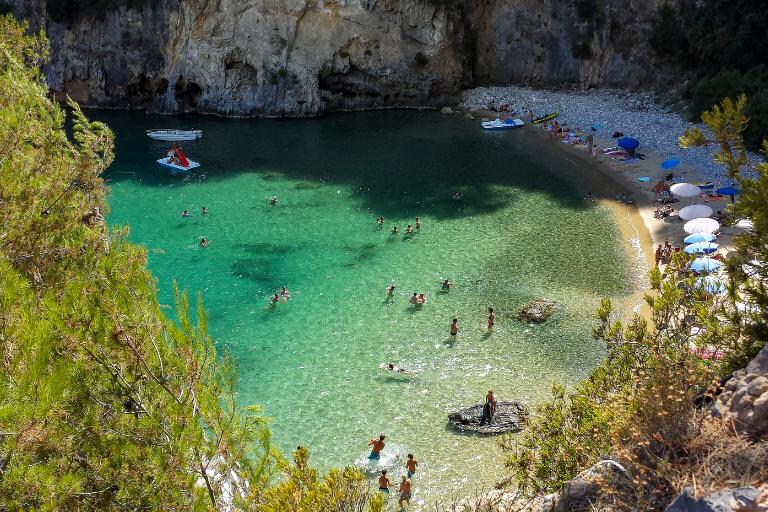
You’re also dealing with closures, as many Italians take time off during the summer months and head to the beach. Between foreign and local tourists, beach destinations and coastal regions can get busy. Luckily, Italy has no shortage of beaches and outdoor activities for those who want to escape the cities.
Pros: Warm weather, long days, all attractions open, great time for beaches
Cons: Summer heat, higher prices, massive crowds, long lines
Where to go and what to do:
- Escape to coastal areas and spend time by the water
- Head to the Italian lakes for relief from the city heat
- Road trip through the countryside side
- Focus on beach destinations and water activities in Puglia, Sicily, Abruzzo or Molise
Fall
For many, early fall ranks as one of the best times to visit Italy. Early October through late fall brings warm days, grape harvest season, and manageable crowds. You’ll also find many harvest festivals, including chestnuts, mushrooms and olives. You can also taste seasonal dishes that you won’t find during summer.
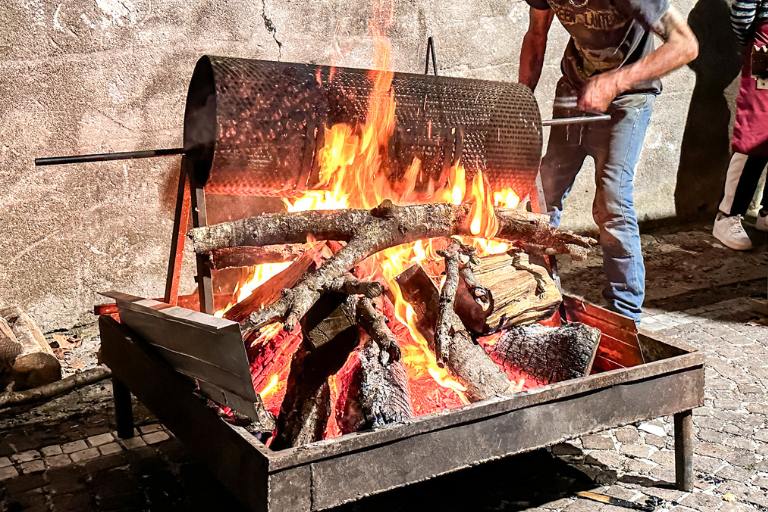
Average temperatures stay comfortable across most Italian regions, and you don’t have to battle as many crowds. There is still lots of sunshine, especially the further south you go. It’s a great time to explore cities, wineries and archeological sites.
Pros: Great weather, grape harvest, warm temperatures, fewer crowds
Cons: Weather can turn quickly in late fall, some seasonal closures begin
Where to go and what to do:
- Explore popular destinations like the Amalfi Coast and Cinque Terre
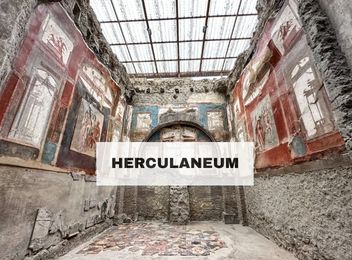
- Head to historic sites like Pompeii, Herculaneum and Ostia Antica
- Visit coastal towns like Palermo, Genoa, Naples and Bari
- Tour vineyards and wineries to get the best of the harvest season
- Enjoy outdoor activities in ideal conditions
Tips for where to go and when
As with many other places, timing is everything. It can transform your Italian adventure from mediocre to amazing. Here’s when to visit different types of destinations.
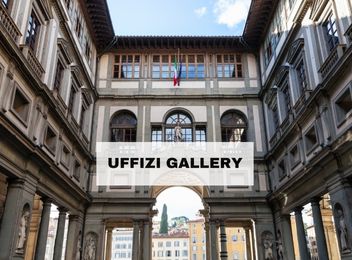
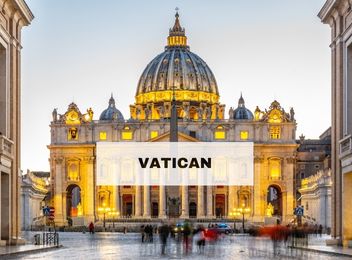
- Big cities work year-round, but winter offers the best weather for walking and sightseeing. Rome, Florence and Naples shine during the winter months when you can actually enjoy major attractions without fighting crowds.
- Summer months and early fall are great for beach lovers. The warmer weather lingers longer the further south you go. Places like the Amalfi Coast, Calabria, Puglia and Sicily are great for swimming and water activities even into October.
- Outdoor activities are best during the shoulder season months. Late spring and early fall offer sunny days, pleasant weather for hiking, cycling, and exploring without extreme heat.
- Winter is best for outdoor activities like skiing and snowboarding. Northern Italy is the perfect place for winter sports with world-class ski resorts in the Italian Alps, like the famous Cortina d’Ampezzo.
- Italy is an excellent destination for foodies year-round. Fall is a great time for wine tastings, grape harvest and olive oil tastings. Winter months are great for cooking classes, food tours and trying hearty local dishes rather than tourist menus.
- History buffs and culture lovers win big during the low season. Historic cities and major attractions stay open with minimal crowds. Urban areas buzz with authentic life rather than tourist activity, and you can indulge in museums, theatres, and cultural sites to your heart’s content.
Final thoughts
The best time to visit Italy depends on what you want from your trip. What might be the ideal time for one person might not be the same for another. Some people choose summer not because of the hot weather, crowds and higher prices, but because that’s when they have time to travel. There is nothing wrong with that.

You can still have a great time during the summer months, provided you set your expectations. I would avoid big cities (especially top destinations like Rome, Venice and Florence) during summer. Those places are better for exploring outside the high season. Head to the countryside, the coast or the mountains. There is so much to see and do outside big cities.
I firmly believe that if you can handle mild temperatures and the occasional rainy day, winter months and early spring offer the best times to see the real Italy. You’ll save money, skip crowds, and have experiences that summer visitors miss entirely.